Zoofari at the St. Louis Zoo

Lions have often been spotted only a few miles from my house.

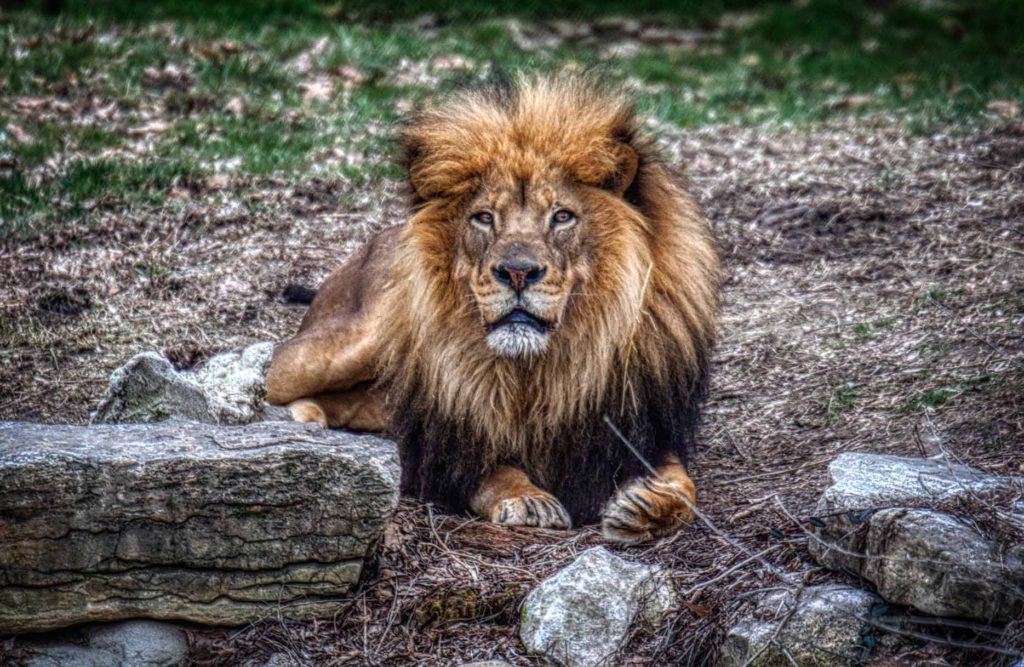
I live in St. Louis, Missouri, where we have a rather excellent zoo that offers free admission to everyone. Today my daughter and I took our cameras to the St. Louis Zoo, which is only about four miles from my home. Here's one of the lions that is often spotted:

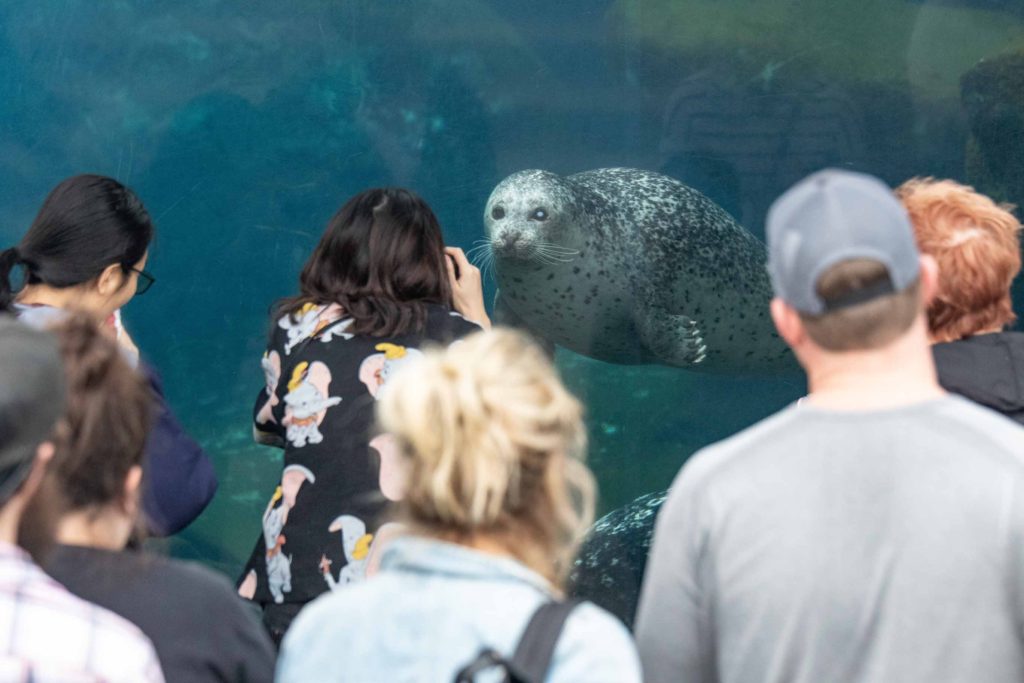
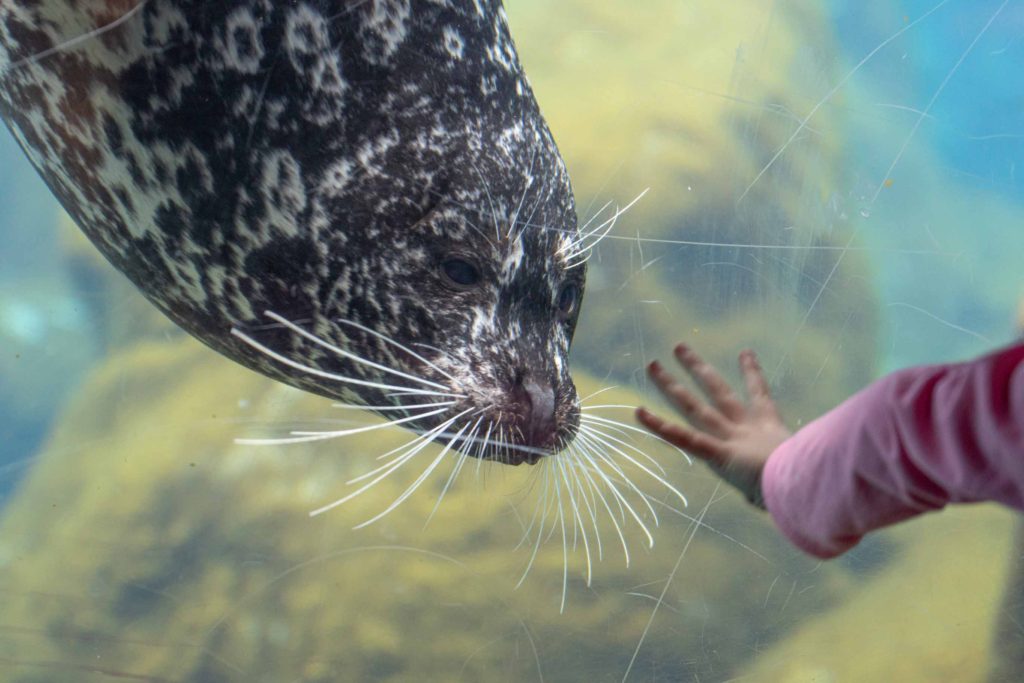
We also enjoyed watching apes interacting with sea lions:

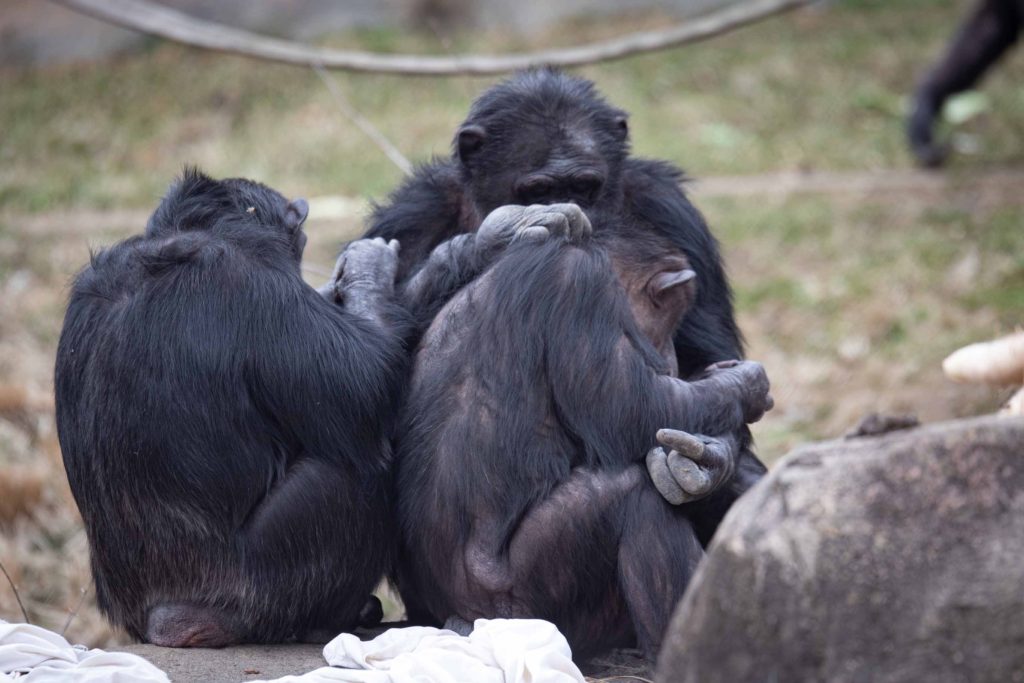
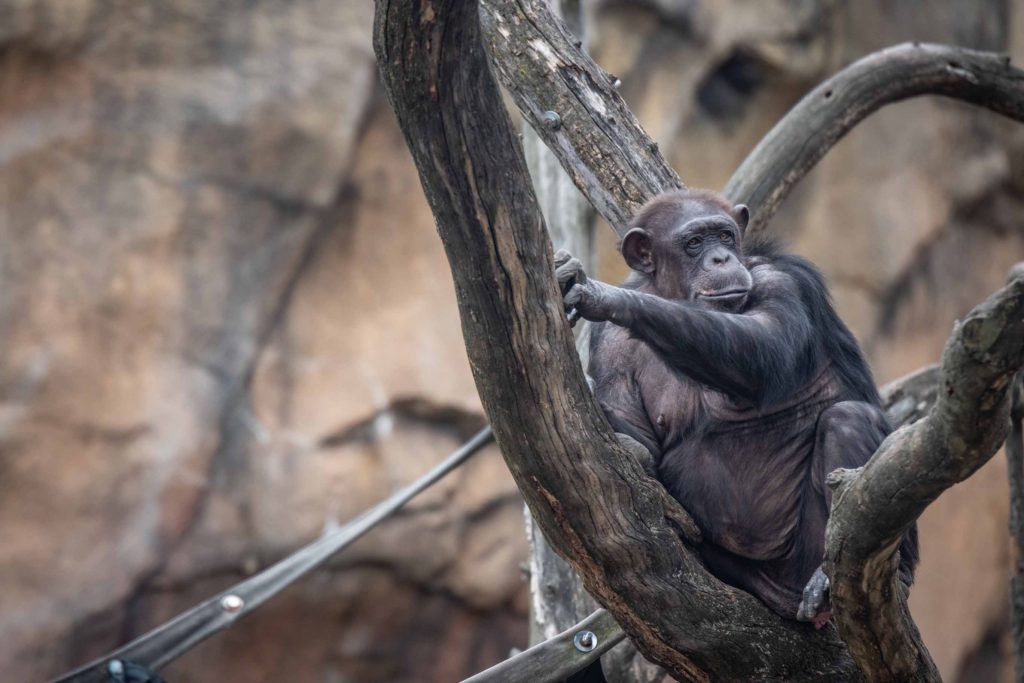
Here are some of my chimpanzee pics. Whenever I see the chimps grooming, I think of Robin Dunbar's (persuasive) arguments that human gossip serves the same purpose as chimpanzee grooming.

If you click on the title, you will be taken to the full post, where you can view a gallery of these and other photos from today, Zoofari.

Continue ReadingZoofari at the St. Louis Zoo

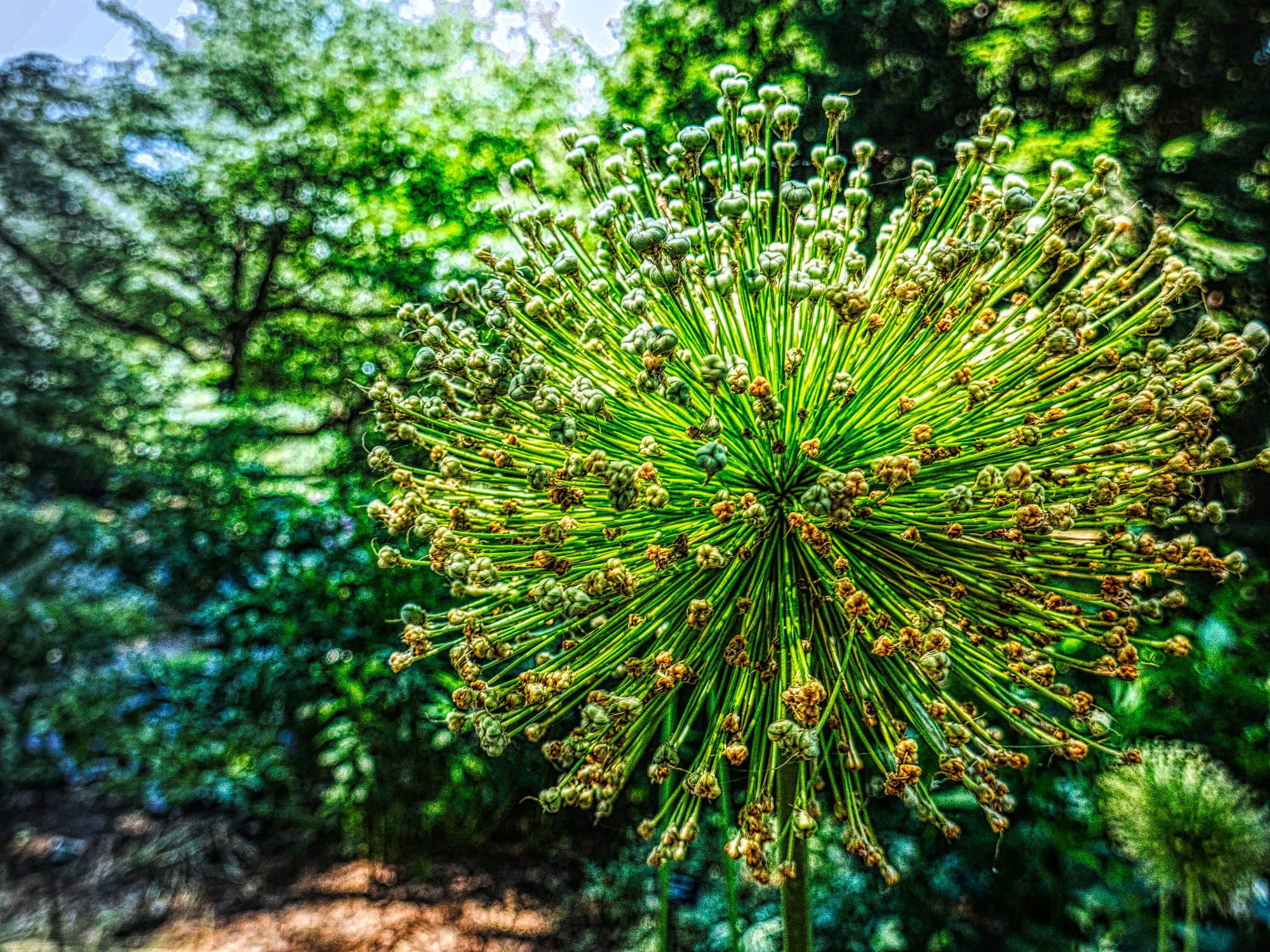
My Awkward Love Letter to Plants

This morning I pretended I lived in a world without any plants.  I pretended I was an inventor.

My first client asked me to invent something she called “plants.” She was entirely concerned with function, not aesthetics. She had some very demanding requirements. Each of these living things would be rooted to one position for their entire lives. They would not be able to move. I said, “Oh, like sponges . . . ” She corrected me: “No, sponges are animals like you!” She handed me information showing how plants differ from animals, though there are many similarities too, since all plants and all animals have common eukaryote ancestors.

At first, I was relieved that my task was to design only plants, not animals, because this would save me a lot of work. There will be no need to design locomotion, vision, migration or hunting behaviors. There would not be a need for any sort of biologically expensive brain that would offer neural plasticity, the ability for an individual plants to learn. A bit more thinking made me realize that this was going to be incredibly difficult. How does one design the ability for organisms to survive day to day when they are stuck in one place? The more I thought about this project, the more daunting it seemed. [More . . . ]

Continue ReadingMy Awkward Love Letter to Plants

My Encounter with a Brown Recluse Spider . . . Maybe

This is a Public Service Announcement!

Three days ago, I was working on my cars in my garage. I reached down to toss some leaves out into the alley and got bit on the wrist by something, presumably a spider. The bite flared painfully up over the next 48 hours. Today has finally crusted over and the surrounding redness is finally receding, though it is still painful. I used ice and anti-biotic ointment.

Here is my advice: 1) If leaves are lying around in your garage, use a rake or gloves if you're going to touch them. 2) If you get bit, if it's painful, if redness starts expanding around the bite, and if you look up "brown recluse" on the Internet, you'll have an "oh, shit" moment. They are common in Missouri (where I live) and many other states to the south and east of Missouri. Most people will be OK in a few days, but it can be a big deal for which there is no anti-venom and it can inflict a small minority of people with serious long term medical complications 3) many articles tell you to bring the spider to the doctor so they can ID it. This leads to comical images of going out and looking for a spider you never actually saw. You'll imagine looking at their little spider-faces and trying to decide which one looks guilty (even though it was just minding its own business when you trashed his/her home. Which brings me back to Rule #1: Next time I touch a pile of leaves in my garage, I'm going to use a rake or wear gloves. I've never got bit before but I should have thought about it, because a good friend of mine (you know who you are!) had some serious medical treatment for a brown recluse bite several years ago while cleaning out her garage.

I have an acquaintance who works in pest control. He told me that every house in St. Louis has brown recluse spiders in the house. They go about their business and you might not see them. If you'd like to have fewer of them in the house, you can spray pesticide, but I don't like the idea of spreading those chemicals around given that my two teen-aged daughters live here. Instead, a few years ago, I bought a pack of sticky pads that people sometimes use to catch mice. They catch bugs too. If you leave them out for a few months and then inspect them, you will be AMAZED at how many spiders and other bugs end up glued to your trap.

Or rule number 4: Don't ever clean out your garage.

Continue ReadingMy Encounter with a Brown Recluse Spider . . . Maybe

The Meaning of Meaning

What does it mean for a word to have meaning? This simple question affects almost everything we do, every day. Now here’s something mind-blowing: For the past 2,500 years (including up to the present) most of the people studying this question (“How is it that words have meaning?”) have analyzed meaning from their armchairs, content to assume, and then conclude, that meaning is best studied by defining words in terms of other words, without considering human biology.  Long distinguished careers have come and gone without making the human body an essential part of the analysis. Philosopher Mark Johnson describes this failure:

The overwhelming tendency in mainstream analytic philosophy of language is to begin with concepts more-or-less well formed, and then to analyze their relations to one another in propositions and to objects of reference in the world. This leads one to overlook the bodily origins of those concepts and patterns of thought that constitute our understanding of, and reasoning about, our world . . . when I found myself immersed in linguistic philosophy as a graduate student in the 1970s, I did not even realize that I had been plunked down in a landscape that had been invaded by the body snatchers.
Johnson, Mark. Embodied Mind, Meaning, and Reason (2017).

You would think that this overlooking of the human body when discussing meaning would be impossible, especially



over the past few decades, during which new cognitive science findings are everyday occurrences. Isn’t it obvious that the oral and written words we use, the grunts and scribbles we produce, don’t have any inherent meaning? Isn’t it obvious that it is only when those grunts and scribbles interact with a human body that those grunts and scribbles trigger meaning? Well, apparently not.  It hasn’t been obvious for thousands of years and it is still not obvious to many people. Why not?

Here’s my suspicion.

Continue ReadingThe Meaning of Meaning

Gorilla Dancing in Swimming Pool

Wow. This is a video of a dancing gorilla taken at the Dallas Zoo. So beautiful, so full of life. It doesn't matter whether you say that human animals are like gorillas or that gorillas are like human animals.

If you are ever feeling down in the dumps, just do what this gorilla is doing to celebrate life.

Continue ReadingGorilla Dancing in Swimming Pool