Substack and Free Speech
From the VP of Communications at Substack, this was common sense until 15 minutes ago. I'm delighted the Substack is a platform that stands up for the right of its authors to speak freely.
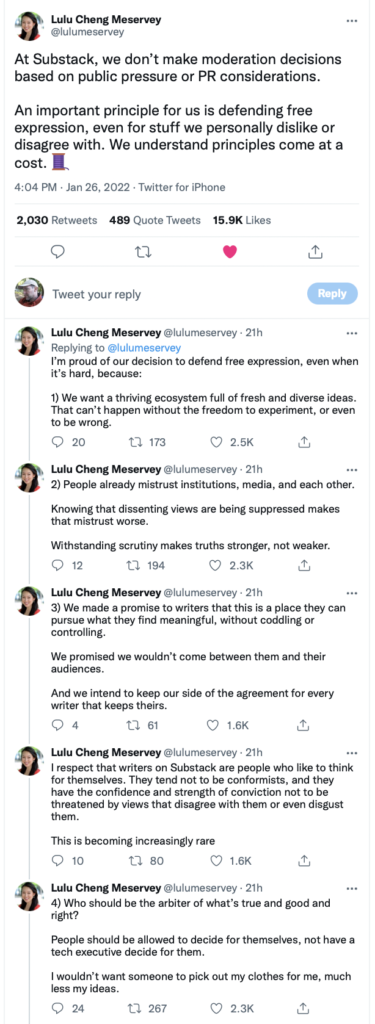

From the VP of Communications at Substack, this was common sense until 15 minutes ago. I'm delighted the Substack is a platform that stands up for the right of its authors to speak freely.
Dr. Tracy Beth Hoeg, MD PhD, writing on the website of Dr. Vinay Prasad (who was interviewed by Saagar and Krystal). Hoeg is concerned about one-size-fits-all vaccination and internet censorship of comments (even by doctors) that are off-narrative):
My interpretation of the data is vaccines continue to be the best tool we have to prevent severe disease. When health care workers could get vaccinated, I got mine the first day I could. That being said, I had wished my parents and older patients could have gotten theirs before me. I begged unsuccessfully to extend my time between the first and second dose because of cardiac side effects I had had from the first dose (which came on quite severely while running). I continue to strongly recommend vaccines to my patients (and now boosters for all over 40-50 or with specific risk factors) and help facilitate vaccination appointments for them and talk them through the data. I recommended to my younger healthier adult patients to only get one dose if they had already been infected based on the data we already had late last winter and a need to preserve vaccinations. I have always felt, based on the data that healthy children were at very low risk and vaccinating them before older adults across the world was unethical and irresponsible. You and I wrote about this for the Atlantic with Monica Gandhi. I still stand by what we said.Over the spring and summer, the evidence suggested vaccines were very effectively preventing transmission, which was a major rationale for vaccinating everyone. But I also knew, as did you, in the spring that a serious vaccine adverse effect could quickly tip the individual harms of the vaccine beyond those of the benefits for healthy children. And I actually tweeted about the uncertainty about the risk-benefit ratio of vaccination in healthy boys on June 10th as the myocarditis data were accumulating from Israel and our own CDC.
My tweet was censored by Twitter and that landed me on Tucker Carlson (which I had never watched). I understand the political nature of this pandemic (certainly on social media) but the censorship of an issue as important as vaccine-associated myocarditis in boys and young men really got under my skin. I was receiving texts and messages from physicians I knew seeing post-vaccination myocarditis in young boys and men across the country and I was vexed the CDC did not prioritize getting an accurate, stratified estimate of this occurrence. Certainly, as a mom I wanted to have a reasonable sense of the benefits vs risks in my old children. At that time I was glad to connect with the cardiologist John Mandrola because we are very like-minded, particularly on this issue (we’ll discuss our study below).
I have consistently viewed attempts to estimate the rates and define the severity of a vaccine side effect as highly pro-vaccine. Anything else, especially when it comes to children, will quickly erode public trust and fuel overall vaccine hesitancy. Especially now with the vaccines’ limited and transient impact on transmission, we need to be considering each individual’s risks from COVID-19 and their expected benefits (and risks) from each dose. The most important factors to consider in this analysis include age, sex, risk factors for severe COVID-19 and history of infection.
What still boggles my mind, is when you just do the simple math using the German study of infection-hospitalization rates in healthy children, you get a 1/2400 chance a healthy 12-17 year old will be hospitalized for COVID-19 requiring specific covid treatment (this eliminates incidental hospitalizations) and, now with omicron, that is likely around 1/5000 risk (or lower) and yet the rate of symptomatic post vax myocarditis after dose 2 in this age group is around 1/3000 (see below) and yet so few seem to be questioning dose 2 for them (when mathematically it’s the wrong decision), let alone dose 3, which seems a clear mistake to mandate without evidence of benefit. . .
This excerpt is from Thoughts of the Human Mammal, Substack Website of Dan Palmer.
Question by Dan Palmer: "What advice would you give your younger self?"
Peter Bogossian:
One word, “parrhesia.”
Always speak openly and honestly, especially in the face of adversity. As Hitchens wrote, “Never be a spectator of unfairness or stupidity… the grave will supply plenty of time for silence.”
If you want to have a life worth living, work to make relationships worth having. The only way to do that is through parrhesia. Be honest. Be open. Have unwavering integrity. Never be sneaky or false. Don’t lie. Be more concerned with what is true and less concerned with what people think of you. Know that every time you’re not forthright you’re committing an injustice by bringing yourself and those you love further from the good life. Only if you say what you mean will people know what you mean. And only if others say what they mean will you know what they mean. You cannot have an authentic relationship unless someone knows what you mean and you know what they mean. And if you don’t have authentic relationships, you’ll never be truly happy or truly in love because other people won’t know you for who you are but for who they think you are. Parrhesia cuts through all of this. It’s an indispensable condition for a good life and a prophylactic against most sorrows.
Additional note from Wikipedia:
Parrhesia was a fundamental component of the democracy of Classical Athens. In assemblies and the courts Athenians were free to say almost anything, and in the theatre, playwrights such as Aristophanes made full use of the right to ridicule whomever they chose.Elsewhere there were limits to what might be said; freedom to discuss politics, morals, religion, or to criticize people would depend on context: by whom it was made, and when, and how, and where.
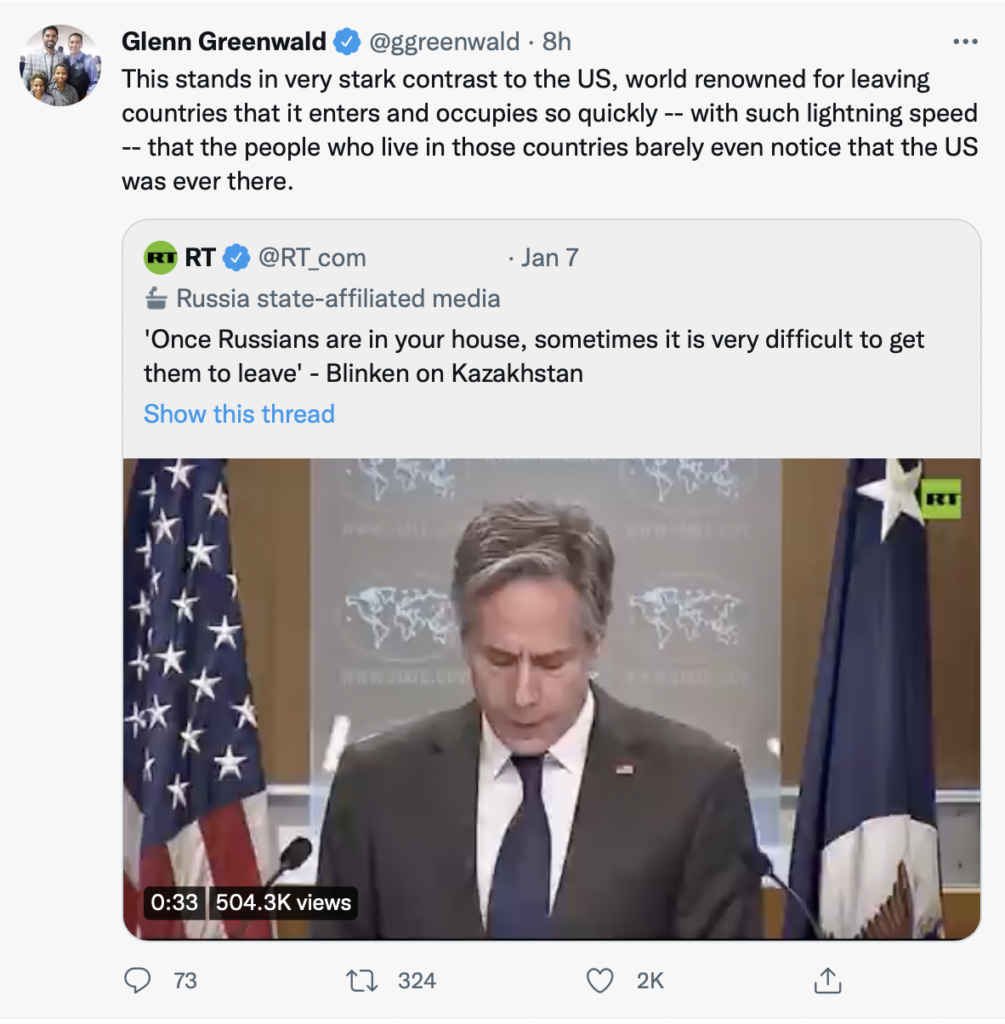
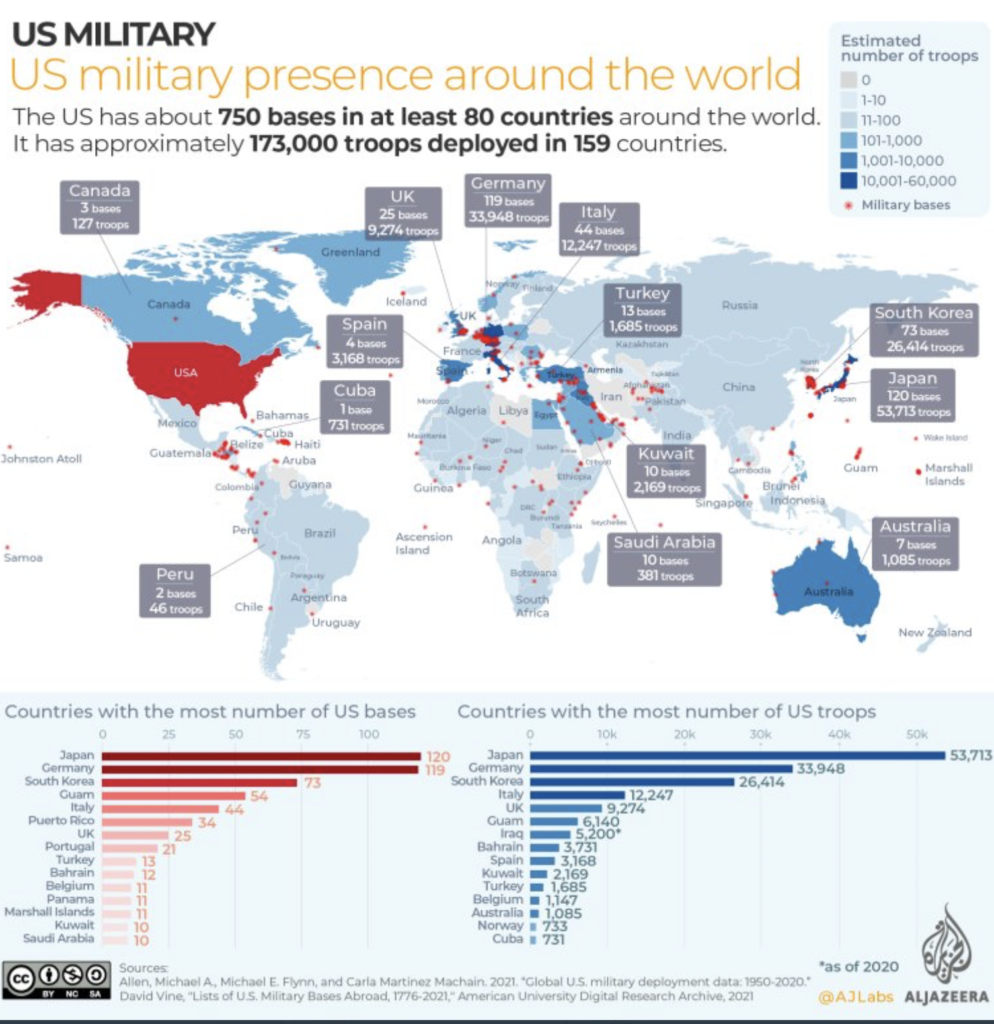
It seems like politics is now 85% bullshit and 15% serving the people. Latest example:
Greg Lukianoff (President of FIRE and co-author with Jonathan Haidt of "The Coddling of the American Mind") is delivering the bad news: Politically Correct culture went underground where it gained substantial followings and it has now re-emerged, led by an army of college administrators, many of whom come from colleges of education. His article includes a lot of doom and gloom, but also offers hope. The title to Lukianoff's article at Reason is "The Second Great Age of Political Correctness: The P.C. culture of the '80s and '90s didn't decline and fall. It just went underground. Now it's back."
1. Immediately dump all speech codes.Those who donate to colleges should refuse to do so without demanding these changes.2. Adopt a statement specifically identifying free speech as essential to the core purpose of a university and committing the university to free speech values.
3. Defend the free speech rights of their students and faculty loudly, clearly, and early.
4. Teach free speech, the philosophy of free inquiry, and academic freedom from Day One.
5. Collect data and open their campuses to research on the climate for debate, discussion, and dissent.