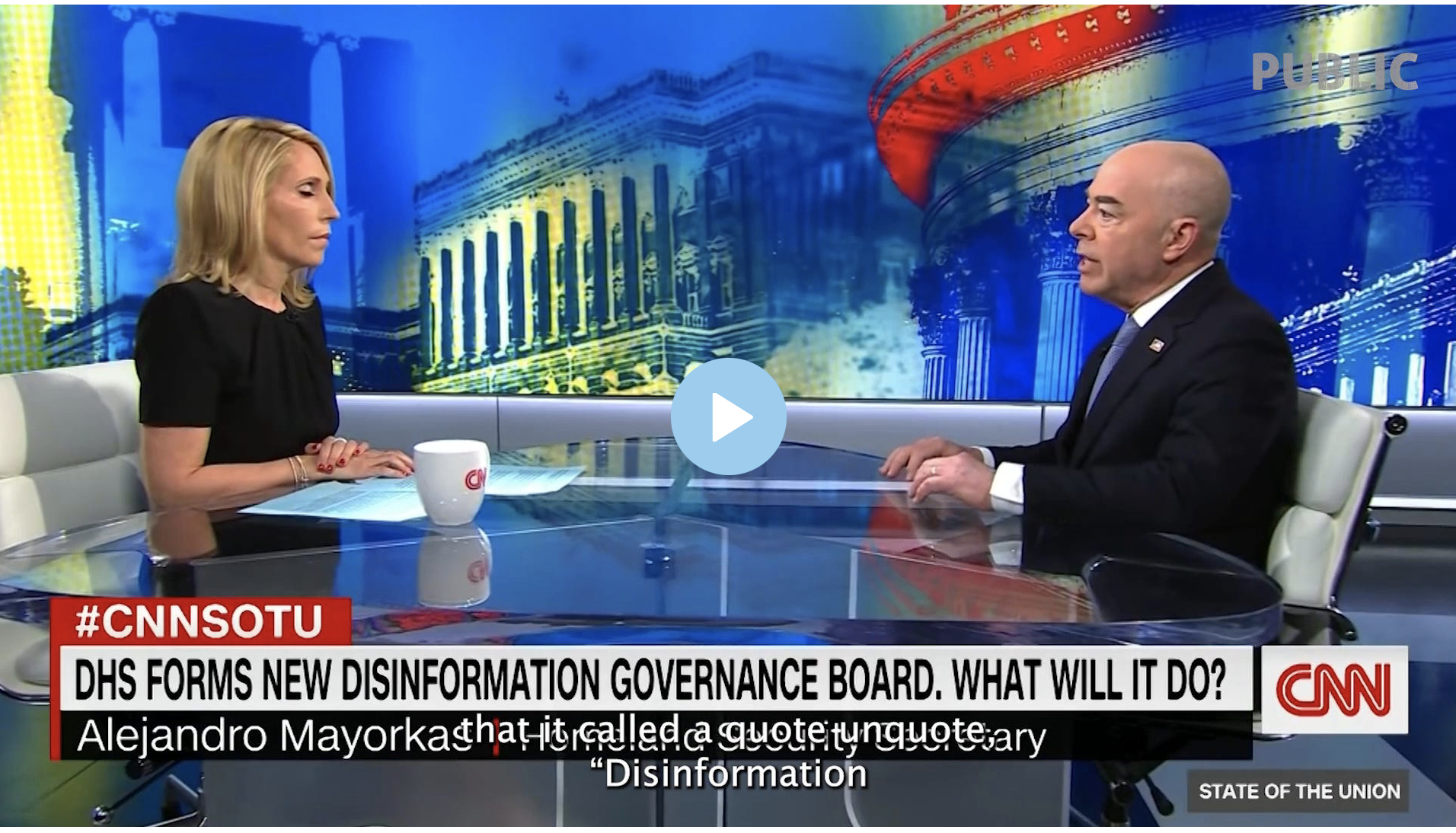
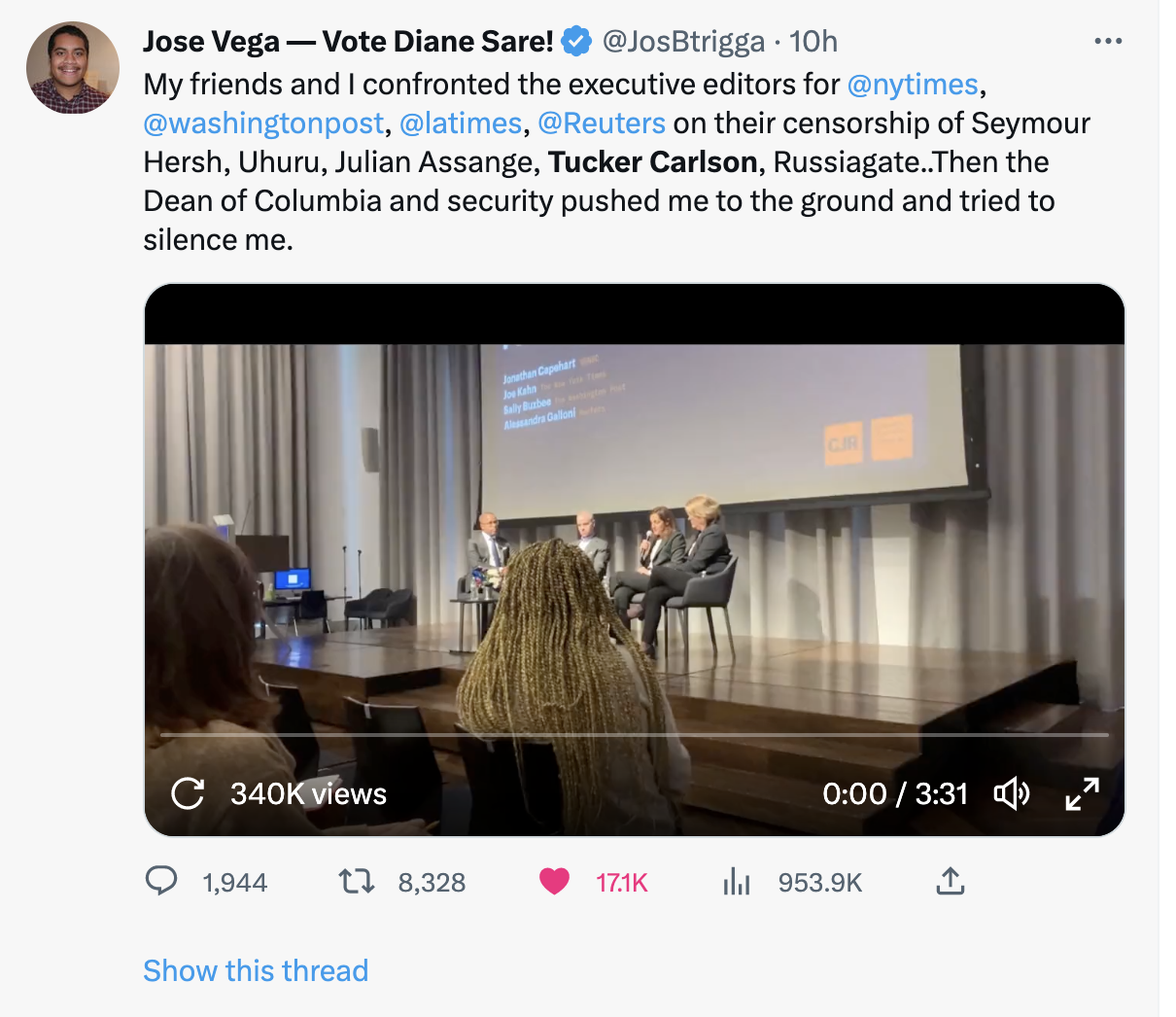
Taxonomy of the Censorship Industrial Complex
Matt Taibbi's most recent report fleshing out the taxonomies of the "Censorship Industrial Complex." This is what we know so far about the 50 groups (Funded by well-monied foundations, many of them with government support) dedicated to protecting you from your own thoughts. They see us as infantile and naive, defenseless and incapable of sorting through conflicting information. The existence of these sorts of organizations indicate some combination of grifting/rent-seeking or a substantial abandonment of the American Project, IMO.
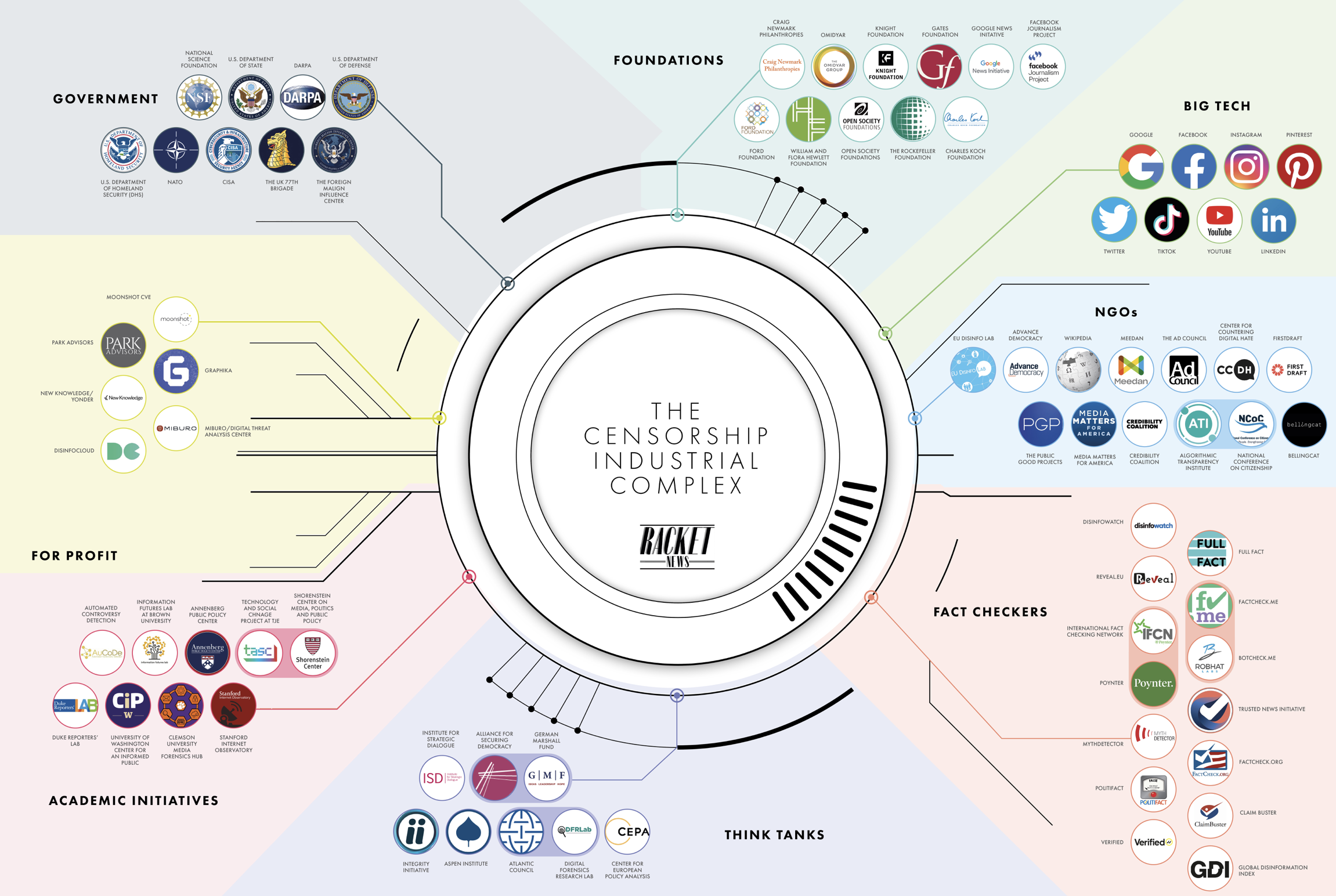
Taibbi comments:
The “Censorship-Industrial Complex” is just the Military-Industrial Complex reborn for the “hybrid warfare” age.
Much like the war industry, pleased to call itself the “defense” sector, the “anti-disinformation” complex markets itself as merely defensive, designed to fend off the hostile attacks of foreign cyber-adversaries who unlike us have “military limitations.” The CIC, however, is neither wholly about defense, nor even mostly focused on foreign “disinformation.” It’s become instead a relentless, unified messaging system aimed primarily at domestic populations, who are told that political discord at home aids the enemy’s undeclared hybrid assault on democracy.
They suggest we must rethink old conceptions about rights, and give ourselves over to new surveillance techniques like “toxicity monitoring,” replace the musty old free press with editors claiming a “nose for news” with an updated model that uses automated assignment tools like “newsworthy claim extraction,” and submit to frank thought-policing mechanisms like the “redirect method,” which sends ads at online browsers of dangerous content, pushing them toward “constructive alternative messages.”
Binding all this is a commitment to a new homogeneous politics, which the complex of public and private agencies listed below seeks to capture in something like a Unified Field Theory of neoliberal narrative, which can be perpetually tweaked and amplified online via algorithm and machine learning. This is what some of the organizations on this list mean when they talk about coming up with a “shared vocabulary” of information disorder, or “credibility,” or “media literacy.”
Anti-disinformation groups talk endlessly about building “resilience” to disinformation (which in practice means making sure the public hears approved narratives so often that anything else seems frightening or repellent), and audiences are trained to question not only the need for checks and balances, but competition. Competition is increasingly frowned upon not just in the “marketplace of ideas” (an idea itself more and more often described as outdated), but in the traditional capitalist sense.
--
And then almost predictably, we now know that Facebook it protecting us from Matt Taibbi's analysis. of the Censorship Industrial Complex:
As one of our contributors points out, Meta is indeed very big on irony. It seems the social media giant has deemed an announcement about the Racket report on censorhip to be “hate speech.”
I try to keep perspective about incidents like this, given that smaller independent outlets deal with much more serious threats to their livelihood when they have content blocked or receive strikes on sites like YouTube. But in this case, a lot of people apart from myself have put in a lot of work on a report that wasn’t intended to be sensationalistic or needlessly provocative. It’s a scrupulously researched project that is intended to provide other journalists and researchers a starting point for investigations into this space.
I’ve put in a query to Facebook, but if this is how the algorithm responds to this kind of content, it says a lot about their algorithm.