
The Flagrant Dishonesty of Most Arguments For and Against Abortion
In 2019, Caitlyn Flanagan published a noteworthy article about abortion that recognized that most "arguments" about the legality of abortion are dishonest. Most of these "arguments" have zero chance of moving a person on the other side of the issue to a new understanding or a new position. Most such "arguments" fail because they refuse to give the other side its best foot forward. They are worse than straw man arguments or least charitable readings. They are like athletic competitions where only one team takes the field. Most of these "arguments" are thus political rants and rallying cries, not good faith discussions.
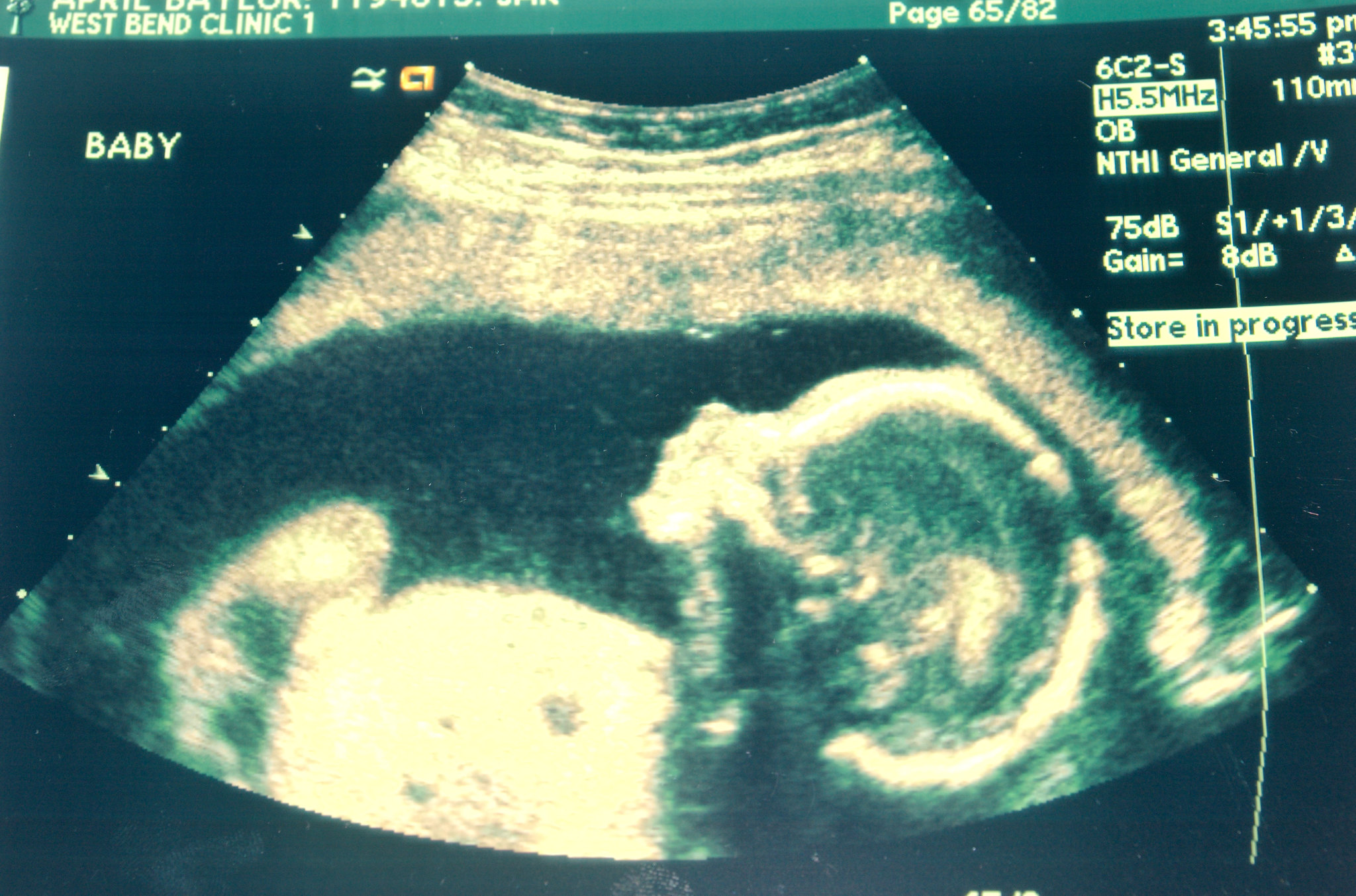
Here is an excerpt from Flanagan's excellent article, titled "THE DISHONESTY OF THE ABORTION DEBATE: Why we need to face the best arguments from the other side":
The argument for abortion, if made honestly, requires many words: It must evoke the recent past, the dire consequences to women of making a very simple medical procedure illegal. The argument against it doesn’t take even a single word. The argument against it is a picture.
This is not an argument anyone is going to win. The loudest advocates on both sides are terrible representatives for their cause. When women are urged to “shout your abortion,” and when abortion becomes the subject of stand-up comedy routines, the attitude toward abortion seems ghoulish. Who could possibly be proud that they see no humanity at all in the images that science has made so painfully clear? When anti-abortion advocates speak in the most graphic terms about women “sucking babies out of the womb,” they show themselves without mercy. They are not considering the extremely human, complex, and often heartbreaking reasons behind women’s private decisions. The truth is that the best argument on each side is a damn good one, and until you acknowledge that fact, you aren’t speaking or even thinking honestly about the issue. You certainly aren’t going to convince anybody. Only the truth has the power to move.
Photo Credit: Creative Commons with permission by Mark Baylor
Things the Left-Leaning Media Refuses to Discuss
I enjoy listening to Tara Henley's podcasts, even though she unable to get along well with her former employer, the Canadian Broadcasting Corporation. Here is how Bari Weiss describes her departure from CBC:
The story of Tara Henley is the story of countless liberals. Until recently, they were the ones pushing everyone else to be more tolerant, more understanding, more open-minded, more compassionate. Then, something happened — call it ideological succession or institutional capture or the new illiberalism — and, all of a sudden (or so it felt to them), they found themselves to the right of their friends and colleagues. Their crime? Refusing to abandon their principles in the service of some radical, anti-liberal dogma. If you’ve been reading this newsletter, you know well what we’re referring to. (See under: Paul Rossi or Maud Maron or Dorian Abbot.)
And so it was with Henley, an accomplished Canadian journalist whose book, “Lean Out: A Meditation on the Madness of Modern Life,” kind of says it all. Last week, she resigned in style from the Canadian Broadcasting Corporation and struck out on her own here on Substack.
Henley's most recent article offers a list of many of the issues that left-leaning news media currently refuse to cover. The title to her article is "Meet the press: Why much of the media looks and sounds much the same."
Here’s a good place to start: Ask yourself how many liberal media pieces you’ve seen over the past two years that, say, interrogate COVID restrictions critically (especially early on, with school closures, lockdowns, and mask mandates). Or evaluate Black Lives Matter as a political movement, assessing its strengths and weaknesses. Or offer opposing viewpoints on transgender athletes in women’s sports; or mass immigration; or diversity, equity, and inclusion philosophies, trainings, or policies. Or acknowledge the excesses of #MeToo, or prejudice against the white working class. Or present critiques of identity politics. Or explore downsides of puberty blockers and gender transition surgery for teens; or delve into the growing censoriousness on social media and in education, Hollywood, the arts, and NGOs. Or probe inner city gun violence. Or reflect the positive sides of masculinity. Or talk about God. Or reference anything that’s currently deemed a conspiracy theory in non-derogatory terms (see: the lab leak theory). Or express genuine curiosity on the reasons behind the rise of independent media, whether that’s Joe Rogan or Substack.
This, I would argue, is the no-fly list. These are the tripwires.
I’ll admit that, months after leaving legacy media, I still feel an instinctive trepidation even running down this list — that’s how ingrained this is.
[More . . . ]
Why Liberal (and Conservative) News Media Stays in its Own lane
Tara Henley's newest article is "Meet the press: Why much of the media looks and sounds much the same." She makes some excellent points that apply to liberal news media as well as conservative media. Reporters appears to lost a sense of curiosity. Whatever happened to the childlike curiosity in these well-trained journalists? Has it been snuffed out? Unlikely, because reporters know how to attack viewpoints that threaten their world views. What they lack is motivation to examine bullshit emanating from their own tribe.
Why is this? Sometimes, editors are refusing to allow reporters to following their instincts to be curious. This is happening in many places, resulting in excellent reporters striking out on their own. This group includes Andrew Sullivan, Bari Weiss and Tara Henley. There is a second less obvious reason: Many reporters feel internalized pressures to not ask certain questions. Henley offers this list of questions left-leaning reporters refuse to pursue:
Ask yourself how many liberal media pieces you’ve seen over the past two years that, say, interrogate COVID restrictions critically (especially early on, with school closures, lockdowns, and mask mandates). Or evaluate Black Lives Matter as a political movement, assessing its strengths and weaknesses. Or offer opposing viewpoints on transgender athletes in women’s sports; or mass immigration; or diversity, equity, and inclusion philosophies, trainings, or policies. Or acknowledge the excesses of #MeToo, or prejudice against the white working class. Or present critiques of identity politics. Or explore downsides of puberty blockers and gender transition surgery for teens; or delve into the growing censoriousness on social media and in education, Hollywood, the arts, and NGOs. Or probe inner city gun violence. Or reflect the positive sides of masculinity. Or talk about God. Or reference anything that’s currently deemed a conspiracy theory in non-derogatory terms (see: the lab leak theory). Or express genuine curiosity on the reasons behind the rise of independent media, whether that’s Joe Rogan or Substack.
Why are so many reporters afraid to be curious?
Often, it’s not a boss telling you what to cover, or how to cover it, but your colleagues, the mood in your newsroom, your competition, your Twitter feed, and, increasingly, your own anxieties. (And, just as important, what you are not being told. As writer Freddie deBoer has put it: “Everyone who works in the industry lives with a dim but persistent feeling that they have committed some kind of faux pas and are paying for it, but never know where, what, or why.”). Thus, consensus is manufactured in myriad small but insidious ways, and if you want to keep working you figure out the unspoken rules.
[More . . . ]
A Peak into the Dystopian Pro-Censorship Mind of the Washington Post.
This hatchet job aimed at Saagar Enjeti (and Elon Musk) provides a peak into the dystopian pro-censorship mind of the Washington Post. And there are many layers of dysfunction. Saagar and Krystal of Breaking Points offer a detailed analysis.
- Go to the previous page
- 1
- …
- 49
- 50
- 51
- 52
- 53
- 54
- 55
- …
- 88
- Go to the next page