Photography is not a crime. We need to keep reminding the police

Police have again determined that it is illegal to record them making arrests even when you are not up close or in any way interfering. From such an event in Boston, things have spiraled way out of control, as described to me by STL photographer Ed Crim, who read of this travesty and has issued this invitation to protest:

"Carlos Miller, of Miami, Florida, has been charged with witness intimidation by the Boston Massachusetts Police Department because he urged readers of his web site, Photography Is Not A Crime (PINAC) to call the Public Relations Officer of the Boston PD and protest the arrest of a videographer whose only offense was recording a public arrest. If you believe, as I do, that a Public Relations Officer should be willing to talk to the public about police policy, take a look at the petition and help protect our rights as photographers."
Continue ReadingPhotography is not a crime. We need to keep reminding the police

Elizabeth Loftus discusses false memories at TED.

Excellent TED lecture by memory researcher Elizabeth Loftus:

Psychologist Elizabeth Loftus studies memories. More precisely, she studies false memories, when people either remember things that didn't happen or remember them differently from the way they really were. It's more common than you might think, and Loftus shares some startling stories and statistics, and raises some important ethical questions we should all remember to consider.

Continue ReadingElizabeth Loftus discusses false memories at TED.

The lessons we can learn about baboons regarding hierarchical society.

Based on the work of Robert Sapolsky, the dominance of society by alphas cause the have-nots to suffer stressed-induced deteriorating health. When those alphas died off due to eating tainted meat, the entire troupe benefited, becoming more social and gentle. Fascinating findings that appear to apply to humans too.

Continue ReadingThe lessons we can learn about baboons regarding hierarchical society.

The purpose of solemnity

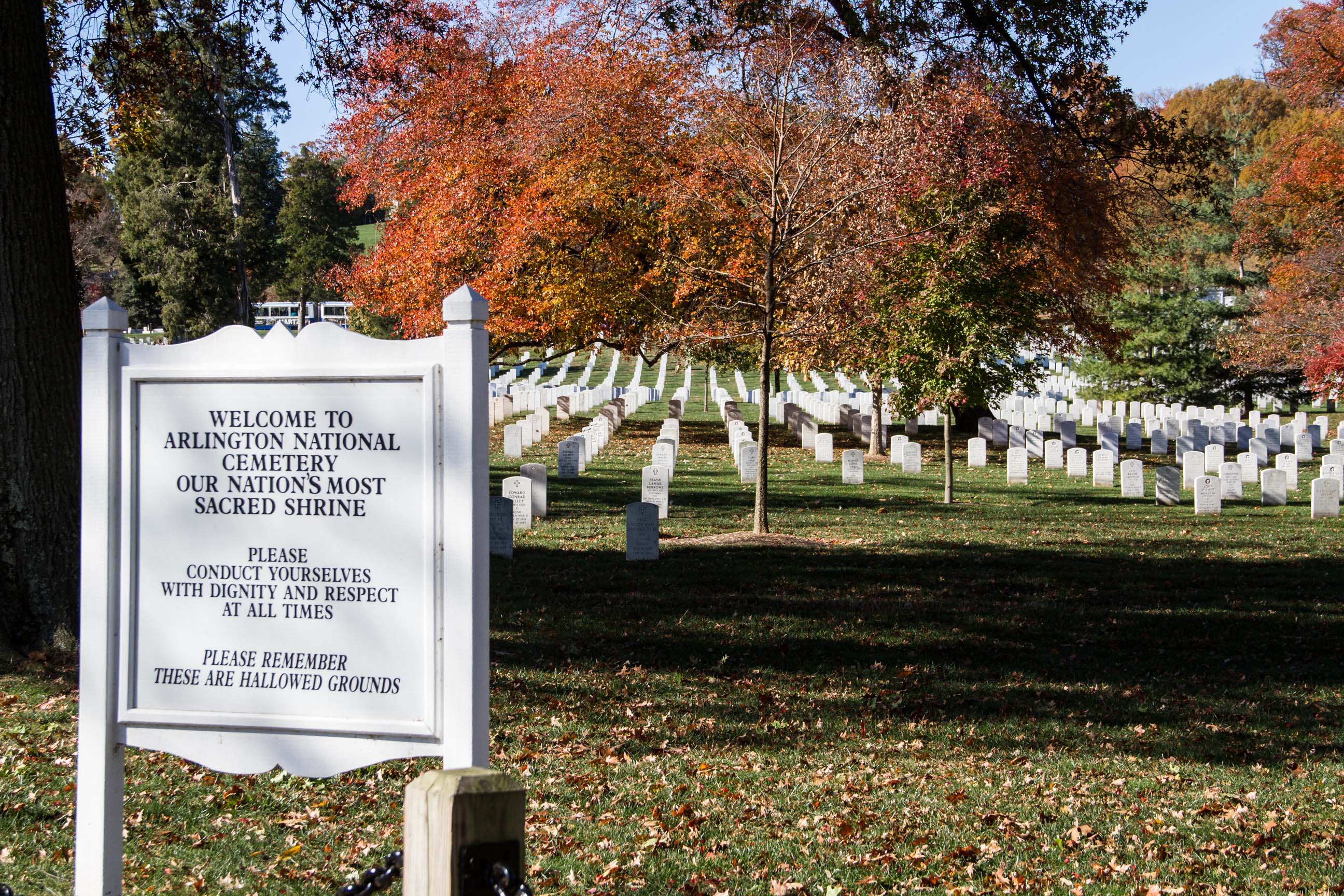
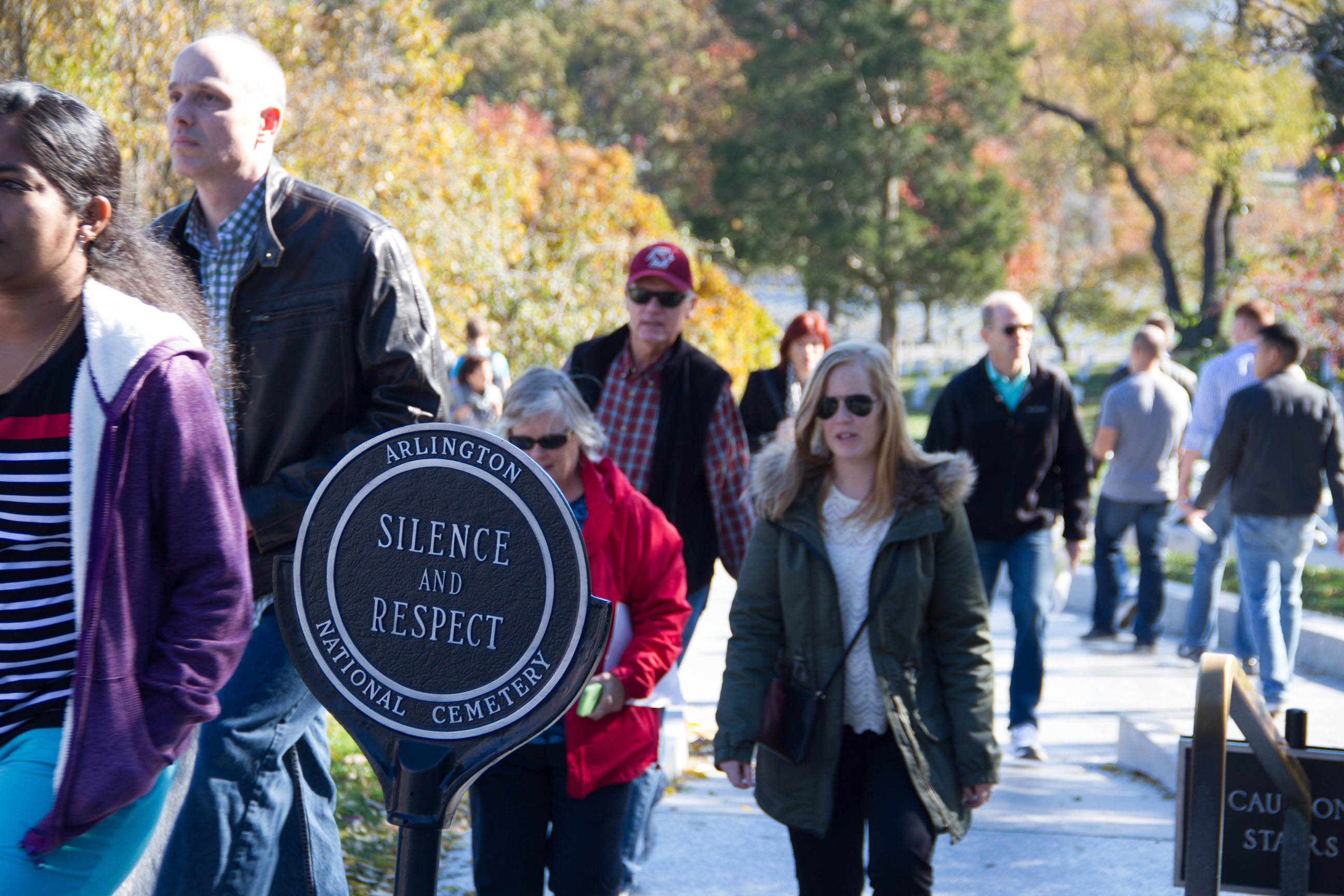
Yesterday I was walking through Arlington National Cemetery, when I saw the following signs dictating that those in the cemetery should be solemn. IMG_3798 DC - lo res sign in cemetery This sign made me think of the two-minute video in which John Cleese (of Monty Python fame) explains that people commonly confuse seriousness (which can be properly accompanied by laughter and frivolity, often enabling inspiration and catharsis) with solemnity. What is the purpose of solemnity? IMG_3842 DC - sign 2 low res

It serves pomposity, and the self-important always know at some level of their consciousness that their egotism is going to be punctured by humor. That is why they see it as a threat. So they dishonestly pretend that their deficiency makes their view more substantial, when it only makes them feel bigger. [raspberry]. Humor is an essential part of spontaneity and an essential part of playfulness, and an essential part of the creative activity that we need to solve problems, no matter how serious they may be.

Apparently, humor (and other forms of free expression--something for which the soldiers allegedly died for--is more powerful than bullets.  We wouldn't want people walking through the cemetery speaking out, especially using the weapon of humor, to question whether many of these soldiers died for lies, be it the alleged Gulf of Tonkin incident, the alleged weapons of mass destruction, or the other lie from the steady stream of lies that has kept America constantly at war.  IMG_3947 graves - low res

Continue ReadingThe purpose of solemnity