
At least 100 drugs once considered “safe and effective” for their intended uses (based on clinical trial data submitted by manufacturers) have been taken off the market due to how dangerous they were. Well-known examples include Thalidomide, Vioxx and Bextra, which have caused tens of thousands of deaths and injuries.
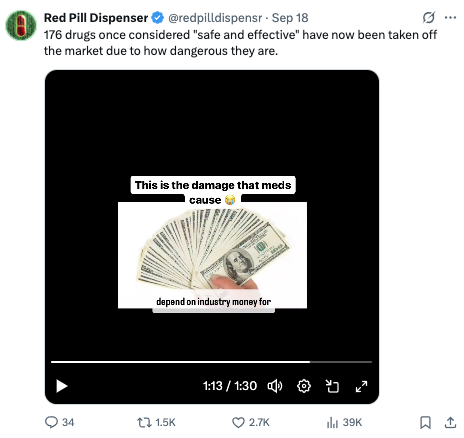
The presenter in this video is Simone Gisondi, host of the podcast “The Health Confidential with Simone Gisondi.”
Based on FDA and global regulatory data, here are 20 recently withdrawn drugs (sorted most recent first, with year and reason):
- Oxbryta (2024) – Increased deaths/complications in sickle cell patients.
- Makena (2023) – Lack of effectiveness.
- Ranitidine (Zantac, 2020) – Carcinogen contamination.
- Lorcaserin (Belviq, 2020) – Cancer risk.
- Ingenol mebutate (2020) – Skin cancer risk.
- Flupirtine (2018) – Liver toxicity.
- Tetrazepam (2013) – Skin reactions.
- Drotrecogin alfa (2011) – No efficacy.
- Gemtuzumab ozogamicin (2010) – Death risk.
- Propoxyphene (2010) – Heart risks.
- Rosiglitazone (2010) – Heart attacks.
- Sibutramine (2010) – Heart attack/stroke.
- Sitaxentan (2010) – Liver damage.
- Lumiracoxib (2008) – Liver damage.
- Rimonabant (2008) – Depression/suicide.
- Aprotinin (2008) – Death risk.
- Pergolide (2007) – Heart valve damage.
- Tegaserod (2007) – Heart attack/stroke.
- Clobutinol (2007) – Arrhythmias.
- Alatrofloxacin (2006) – Liver toxicity.


Pre-approval trials involve limited patient numbers and are not designed to capture very rare outcomes. The fact that there have been withdrawals of approved drugs testifies to the ongoing surveillance of drugs. The Salk vaccine against polio was once controversial in terms of its safety, but in hindsight it saved many lives and much suffering. More recently, the COVID vaccine was found to increase risk of transient mild heart inflammation in young males, courtesy of Israeli researchers. The risks of COVID still far outweigh the risks of vaccination, a view widely shared, including by those same Israeli researchers. As we have gotten better at epidemiologic methods, the rate of drug withdrawals from the market has decreased over time – it’s now close to 1%. So, I ask you: if we sat an extra few years, or decades, on new drugs until even the most ardent critic is satisfied, would this ultimately help or hurt people as a whole? (Yes, I know the answer to this question, but I’m not telling!)