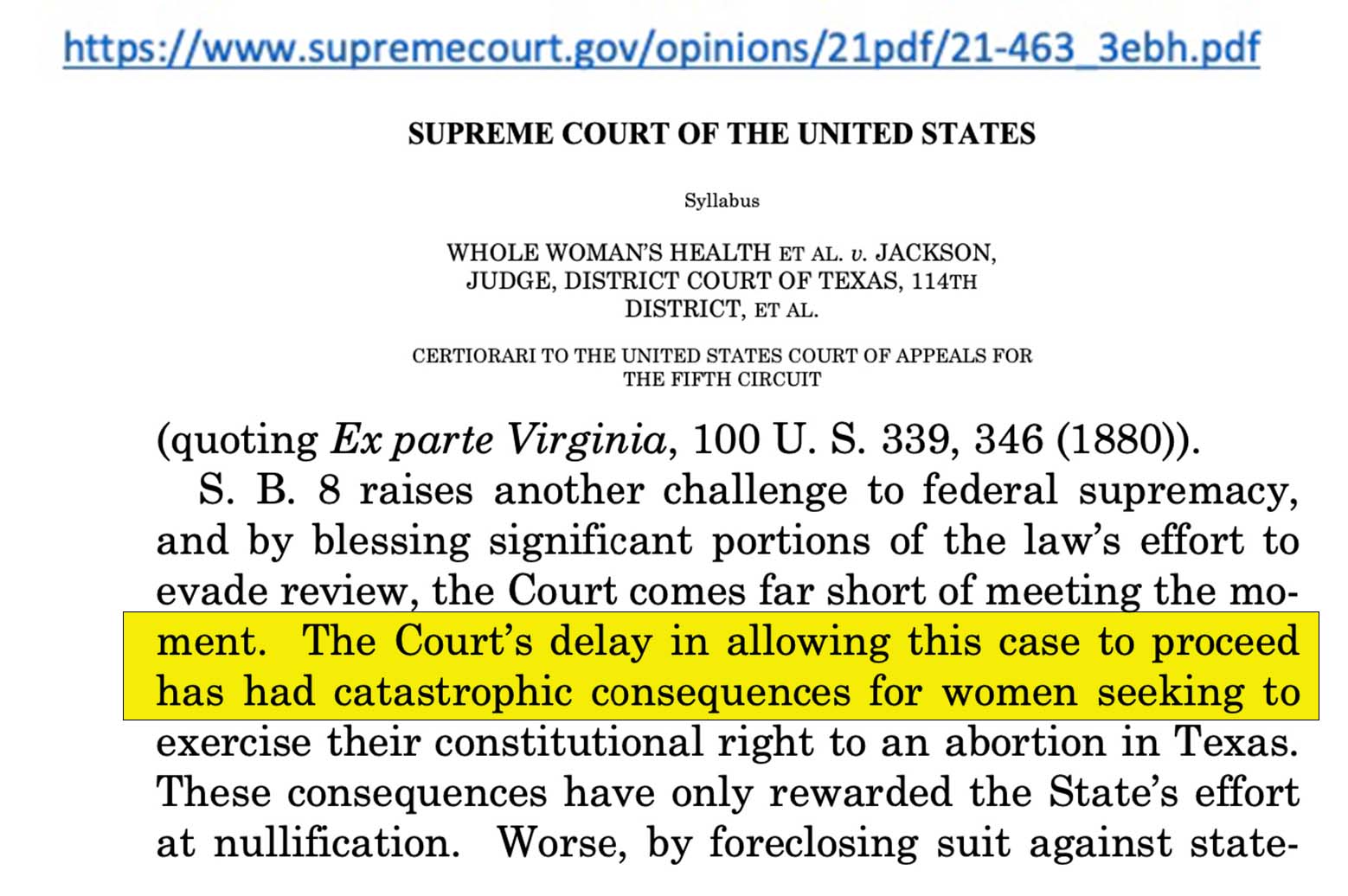
Princeton University Gets an Education: “The university is the home and sponsor of critics; it is not itself the critic.”

Sixty Princeton Students have carefully responded to the declaration of Princeton Dean Amaney Jamal decrying Kyle Rittenhouse’s not-guilty verdict. Here is an excerpt from "Let Students Think for Themselves," published by The National Review:

[Jamal] lamented with a heavy heart the “incomprehensib[ility] . . . of a minor vigilante carrying a semi-automatic rifle across state lines, killing two people, and being declared innocent by the U.S. justice system.” Furthermore, she situated the verdict within the context of the racism embedded “without a doubt . . . in nearly every strand of the American fabric,” thus implying that defenders of a not-guilty verdict are defenders of racism.

Along with 60 of our peers, we sent a letter of concern to the university president, Christopher Eisgruber. We criticized neither the embarrassing factual errors polluting Jamal’s statement nor her position on the trial’s outcome. Rather, we vehemently objected to the fact that she took advantage of her official position to broadcast her own stance on a controversial public issue — a maneuver that can only harm, not aid, a culture of bold, open truth-seeking.

An academic institution committed to truth-seeking and open inquiry should foster an environment in which students feel welcome — even encouraged — to speak up on controversial issues about which reasonable people of goodwill disagree. But as Princeton students and frequent critics of the ideological orthodoxy that pervades our campus, we’ve witnessed our peers retreat from conversations, opportunities, and even friendships out of fear that their deeply held beliefs will cost them academically, socially, and professionally.

A university hinders its truth-seeking mission when it — unintentionally or otherwise — prompts students to think twice before expressing unpopular but reasonable points of view. This can occur when officials violate the basic institutional neutrality required for the university to be a home for the free marketplace of ideas. When an educational institution adopts official stances on controversial issues not directly connected to its core mission, it suggests parameters around an otherwise liberated discourse. This effect is enhanced when such pronouncements are morally tinged; in these cases, the university would appear to have decided that such parameters are morally requisite. By implication, those who defy them are morally suspect.

The “basic neutrality” ideal isn’t new. The most famous defense of the principle was offered by faculty at the University of Chicago during the height of the Vietnam War. Chicago’s Kalven Committee made the point succinctly: “The university is the home and sponsor of critics; it is not itself the critic.” The Kalven Report, long celebrated, is still operative at the University of Chicago. Universities everywhere should consider adopting the report’s guidance, as well as the university’s famed Free Speech Principles, which Princeton formally did in 2015.
Continue ReadingPrinceton University Gets an Education: “The university is the home and sponsor of critics; it is not itself the critic.”

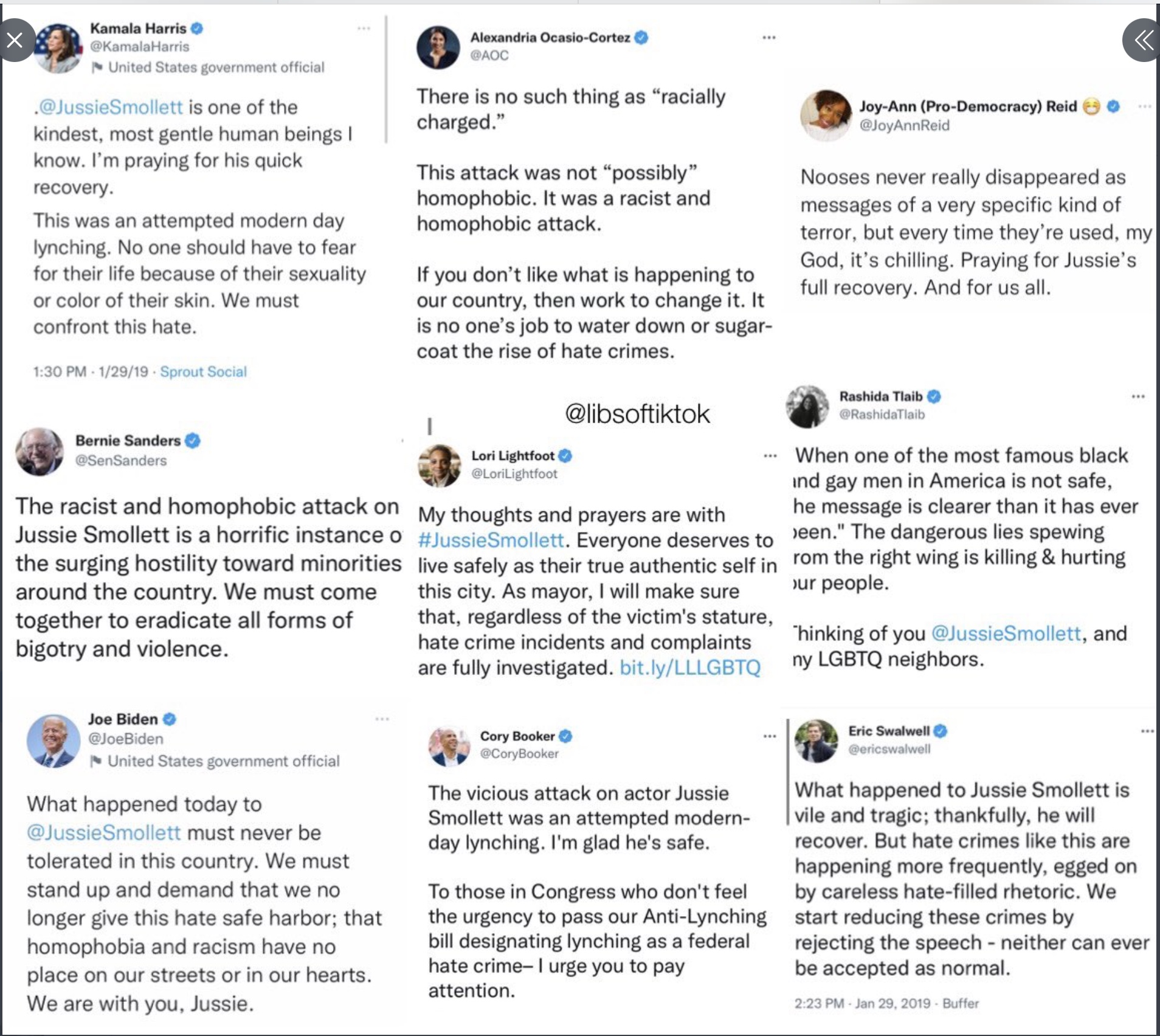
Smollett’s Attorneys: Smollett was “Tried and Convicted in the Media”

I don't claim to have any insight into the criminal case against Jessie Smullet.  I haven't reviewed any of the evidence; I didn't follow the trial, except for notice headlines.  I do know that the jury found Smollett guilty on five criminal counts all based on making false reports to the police.  Thus, the jury has concluded that Smullett staged a phony racist and anti-gay attack three years ago.

I noticed this at National Review:  Jussie Smollet's Attorney made this claim today: "The defense had an uphill battle, he said, because for three years Smollett has been “tried and convicted in the media.”

When I heard this claim by Smullet's legal team it reminded me of this:

Continue ReadingSmollett’s Attorneys: Smollett was “Tried and Convicted in the Media”

Princeton University Posing as a Critic

Excerpt of "Letter from Princeton Open Campus Coalition to Princeton President Christopher Eisgruber":

When university administrators speak officially on controversial matters of social importance, they must be cognizant of the fact that––as faculty at the University of Chicago recognized at the height of the Vietnam War––“[t]he university is the home and sponsor of critics; it is not itself the critic.”[1] If the university itself becomes the critic––which occurs when administrators qua administrators opine on controversial issues not bearing a tangible impact on the university’s ability to function––it diminishes the openness of an academic climate that would otherwise invite dissenters to engage boldly with their peers and colleagues. This truth led the University of Chicago’s Kalven Committee to recognize that institutional neutrality enables the “fullest freedom of its faculty and students as individuals to participate in political action…” [2] We believe that the institutional neutrality principle, so articulated, reasonably restricts university officials’ speaking in their official capacities.

Unfortunately, recent events at our University suggest that the neutrality principle has been dangerously dishonored. In the case of Dean Jamal’s November 20th statement regarding the Rittenhouse verdict, the significant factual errors (while embarrassing) are not the cause of our protest. [3] What motivates our letter is a concern about the implications of a University administrator, speaking in her official capacity, promulgating to an entire community of students her moral evaluation of the outcome of a highly publicized and controversial trial. Her doing so in effect places SPIA’s institutional support behind a particular position on a matter which, as it engages the interests of so many, should invite a vigorous and respectful conversation amongst students and faculty alike.

Instead, students and faculty are left to read that a Dean has adopted a definitive stance on a matter about which reasonable people of good will can and do disagree. Dean Jamal writes with a “heavy heart” as she decries the “incomprehensib[ility]” of a not-guilty verdict, labels the defendant a “minor vigilante,” and situates the alleged outrageousness of the trial’s outcome within the broader context of racial inequalities pervading “nearly every strand of the American fabric.”

Each of these features––the verdict, the alleged vigilantism, and the systemic racism claim––are the subjects of genuine debate among serious legal commentators and academics. Contrary to Dean Jamal’s forceful assessment that some of these issues––viz., the systemic racism allegation––are settled “without a doubt,” these topics occupy the debates of students, faculty, and the public at large. Though no one claims that Dean Jamal’s statement directly forces dissenting students to remain silent or to affirm what they do not believe, it is no stretch to conclude that the establishment of an institutional position tends to draw restrictive parameters around a dialogue that would be otherwise unfettered.

[Emphasis added]

Continue ReadingPrinceton University Posing as a Critic