In the NYT, Carl Zimmer writes about the so-called races, based on real evidence:
In 1924, the State of Virginia attempted to define what it means to be white.
The state’s Racial Integrity Act, which barred marriages between whites and people of other races, defined whites as people “whose blood is entirely white, having no known, demonstrable or ascertainable admixture of the blood of another race.”
There was just one problem. As originally written, the law would have classified many of Virginia’s most prominent families as not white, because they claimed to be descended from Pocahontas.
So the Virginia legislature revised the act, establishing what came to be known as the “Pocahontas exception.” Virginians could be up to one-sixteenth Native American and still be white in the eyes of the law.
People who were one-sixteenth black, on the other hand, were still black.'
...
On average, the scientists found, people who identified as African-American had genes that were only 73.2 percent African. European genes accounted for 24 percent of their DNA, while .8 percent came from Native Americans.
Latinos, on the other hand, had genes that were on average 65.1 percent European, 18 percent Native American, and 6.2 percent African. The researchers found that European-Americans had genomes that were on average 98.6 percent European, .19 percent African, and .18 Native American.

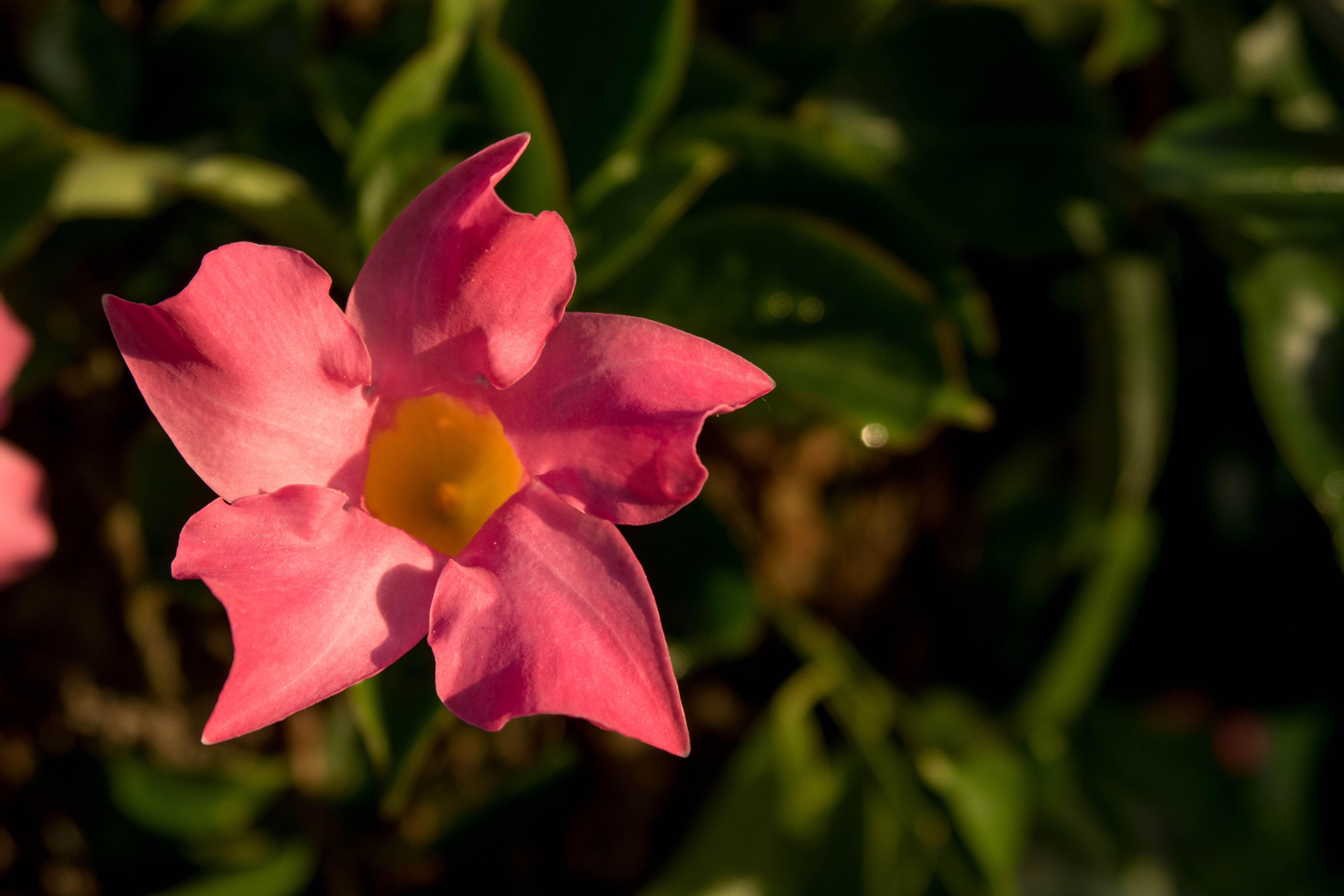
 At the MBG, there's people watching, of course, and this often causes me to think of the people I care most about--how could this not be the case in such a beautiful place?
 But the two things come to my mind almost every time I visit the garden: