
Just how stupid are Americans?

About some things, Americans are incredibly stupid. For instance, I’ve kept an eye on science and religion related ignorance for years. 15% of Americans don’t know that the Earth revolves around the sun. Half of the people in the United States (an allegedly “Christian Nation”)  can’t name Genesis as the first book in the Bible.

There are a lot more statistics where those came from. If you’d like to read a few dozen zingers, read Rick Shenkman’s article in Alternet, “Ignorant America: Just How Stupid Are We?” There are some real head-shakers in Shenkman’s article. Several might have you wondering whether we should require citizens to pass rudimentary intelligence tests in order to vote. Shenkman’s compilation of stupidity had me wondering this. I know that this is an extremely controversial idea based on the way it has been misused in the past. It is clear, though that huge numbers of people have no idea how their government is designed to work, who is running their government, the basic characteristics of the scientific method, the basic facts of the religions to which they cling, or rudimentary principles of geography, history or economics. Now really . . . should such a person vote? This question makes me squirm.

I’m not really suggesting that we should take official government action to keep people from voting based on their intelligence levels. On the other hand, reading Shenkman’s article makes me wonder whether our “Get out the vote” campaigns should be focused on getting …

Share

Continue ReadingJust how stupid are Americans?

Let there be hecklers

It’s difficult to watch hecklers, even when you agree with them. On a superficial level they are rude. By interrupting formal speeches they are preventing the officially designated speaker from delivering his or her message. But what alternatives do we have when modern-day powerful politicians carefully exclude people who disagree…

Continue ReadingLet there be hecklers

Religious rituals as creative play for adults?

I'm currently reading a new book by Susan Linn, The Case for Make-Believe: Saving Play in a Commercialized World (2008). The main point of the book is that modern parents tend to over-schedule their children and otherwise deprive them of time for creative play.  For instance, many parents are letting…

Continue ReadingReligious rituals as creative play for adults?

Attitudes toward gender affects math performance by girls

It is often observed that girls do not perform as well as boys in mathematics. This difference is often overstated and it's cause is often highly debated.  Many people have suggested that the basis for this difference is essentially biological. It is now well established that a society's attitude toward…

Continue ReadingAttitudes toward gender affects math performance by girls

Citizens act like dysfunctional children when kept ignorant of “natural consequences.”

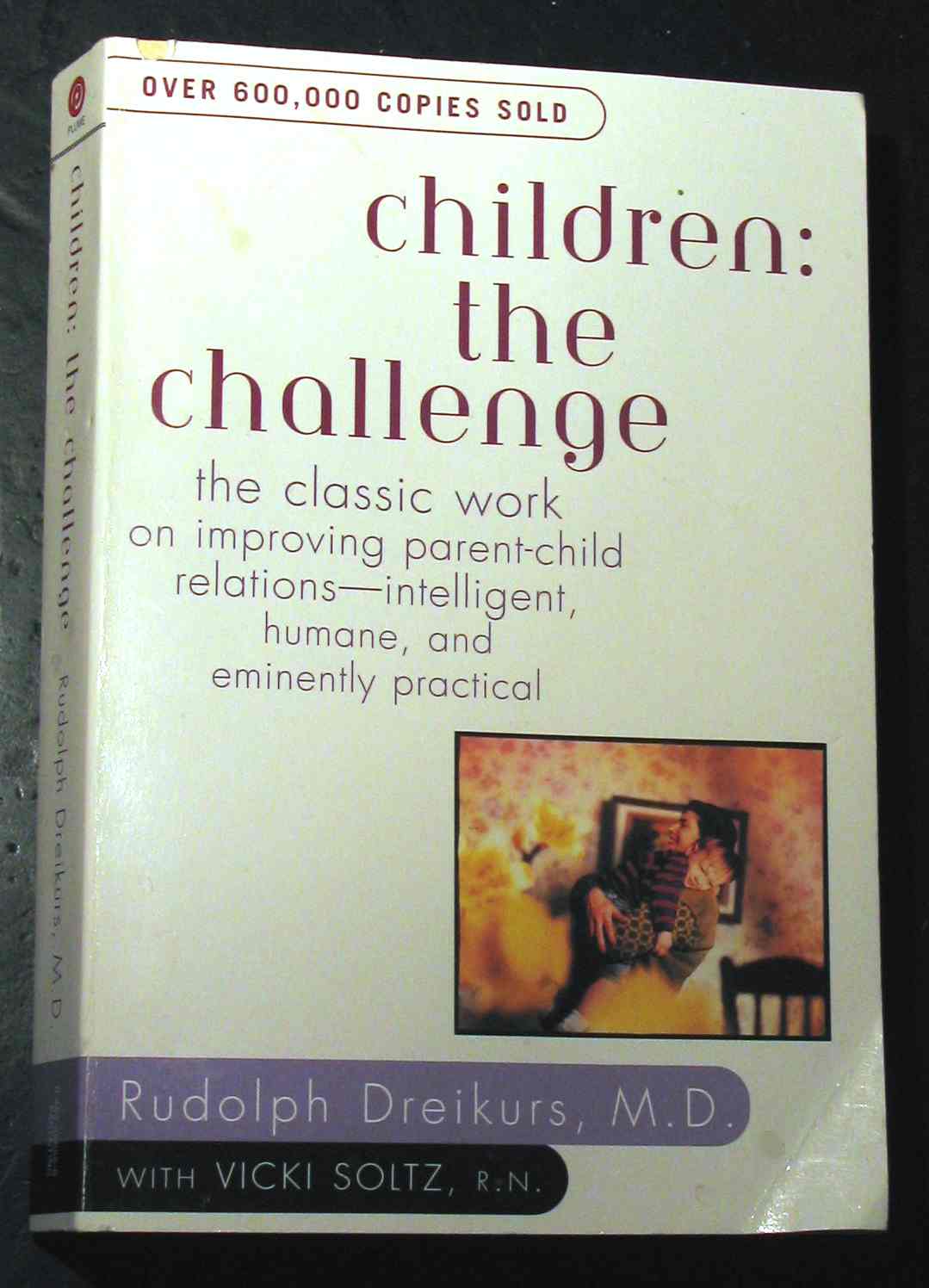
In 1964, Rudolph Dreikurs wrote a child psychology book that is still considered a classic by child psychologist: Children: the Challenge. Dreikurs argued that using punishments to change behavior is inefficient.

No amount of punishment will bring about lasting submission. Confused and bewildered parents mistakenly hope that punishment will eventually bring results, without realizing that they are actually getting nowhere with their methods or, at best, they gain only temporary results from punishment. When the same punishment has to be repeated again and again, it should be obvious that it does not work. The use of punishment only helps the child to develop greater power of resistance in defiance.

Dreikurs argued that the authoritative idea of using punishment needs to be replaced with a sense of mutual respect and cooperation. Children need real leadership. “A good leader inspires and stimulates his followers into action that suits the situation.” It is important to arrange the learning situation such that a child learns “without a show of power, for power insights rebellion and defeats the purpose of child-raising.”

children the challenge book lo res

Dreikurs also cautions parents about using rewards:

The system of rewarding children for good behavior is as detrimental to their outlook as a system of punishment. The same lack of respect is shown. We “reward” our inferiors for favors or for good deeds. In a system of mutual respect among equals, a job is done because it needs doing, and the satisfaction, for the harmony of two people doing a job together…. satisfaction comes …

Share

Continue ReadingCitizens act like dysfunctional children when kept ignorant of “natural consequences.”