Political Power and the Need for Free Speech
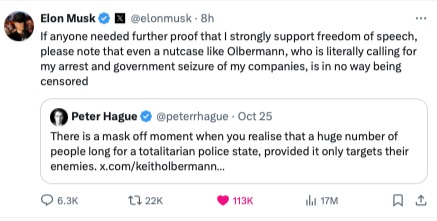
In a democracy, the majority doesn’t need special protection for freedom of speech because their power is protected by the majority vote. The bully and the bigot easily get their way if they have the votes.The fact is that only those with opinions that are unpopular with the majority or the ruling elite need the special protection of freedom of speech. It is not, in fact, a coincidence that the Civil Rights Movement, the women’s rights movement, and the gay rights movement (just to name a few) only really took off when the protections of the First Amendment became strongly interpreted beginning in the 1950s. Prior to that, without a strong First Amendment, those movements were easy to shut down.
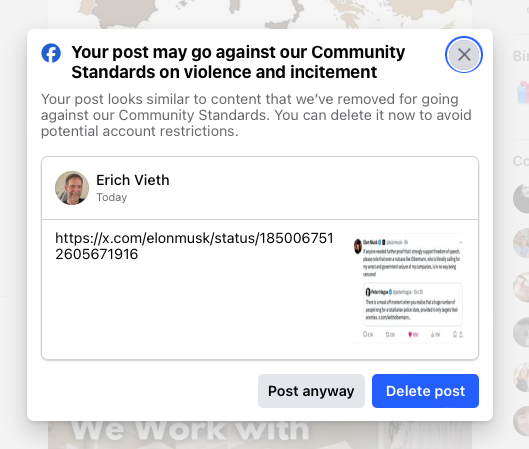
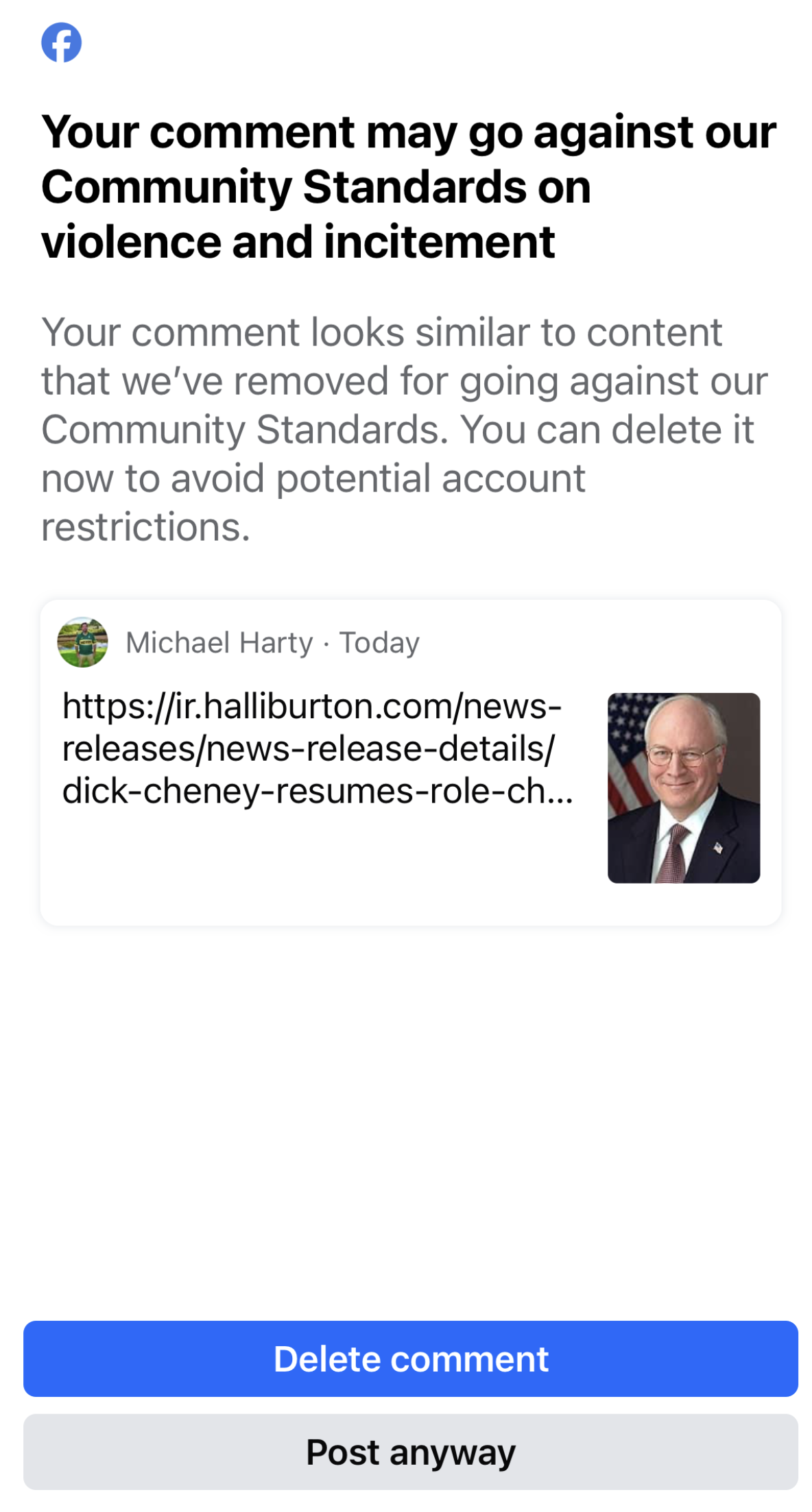
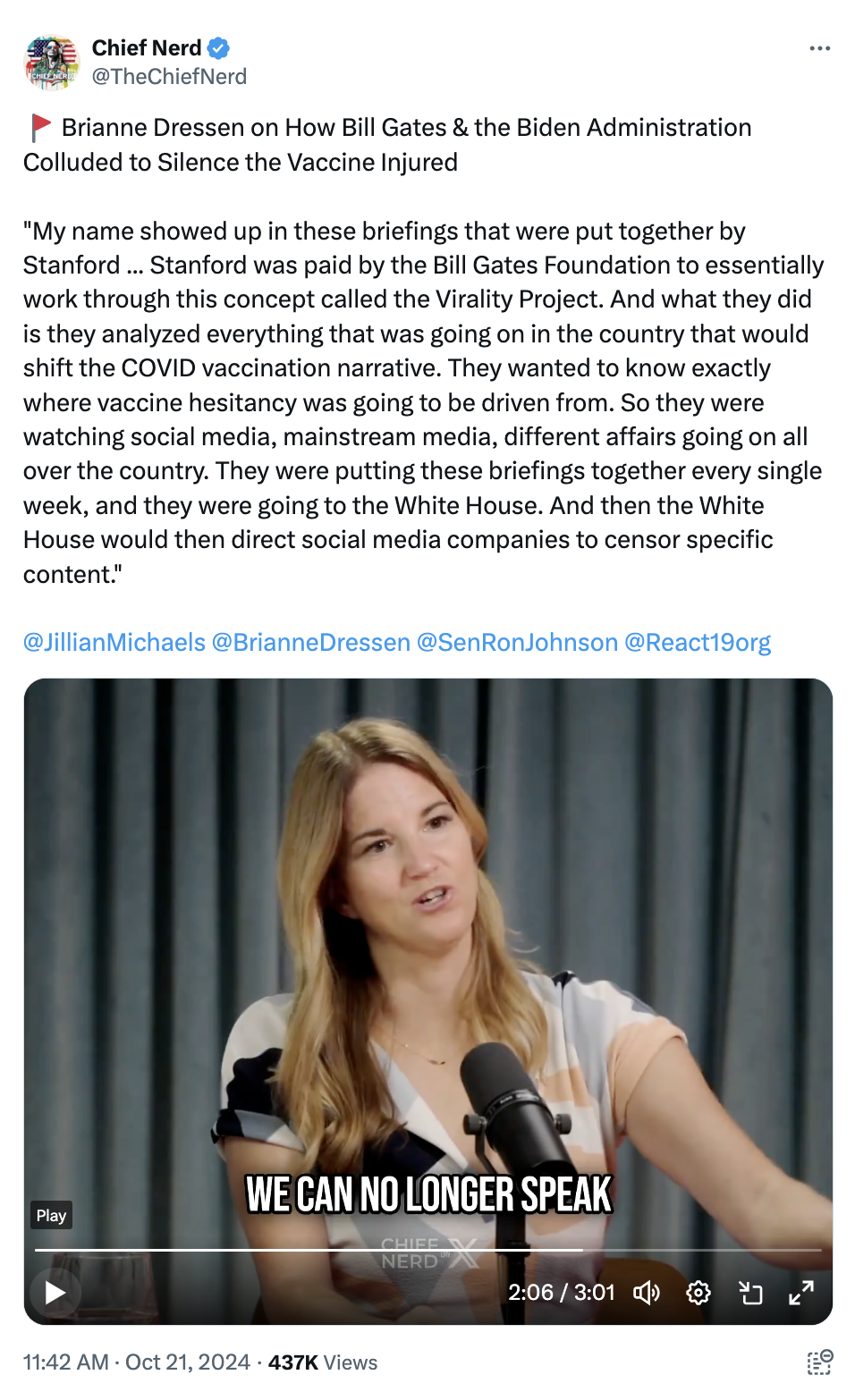
But the powerful in higher education find this narrative inconvenient. This is because, frankly, they are unsatisfied with the amount of power they have over speech and thought (which is already immense, and regularly abused). They prefer a narrative in which they are still the underdog (which they've never really been) and still the hero (which they very rarely are). At the same time, they’d like to continue to censor “bad” speakers and “bad” speech — not just with new tools, but with a continued sense of self-righteousness about their authoritarian impulses.