In his excellent book, Outlive: The Science and Art of Longevity, Peter Attia stresses the importance of intentionally putting in the time now to safeguard your physical function and independence in later decades. He refers to this as the "Centenarian Decathlon," where individuals reverse-engineer their fitness goals by imagining the physical demands they'll face in their 90s or 100s—such as carrying groceries, playing with grandchildren, hiking, or simply rising from the floor unaided, and then building the necessary strength, stability, and endurance today to make those activities possible and perhaps likely.
Attia warns that without this forward-thinking approach, natural age-related declines (like muscle loss, reduced VO₂ max, and joint instability) erode over time, causing your body to become frail. Instead, you need to treat exercise as the most powerful "drug" for longevity, structured around four pillars: stability (to prevent injury and support safe movement), strength (to build muscle reserve), aerobic efficiency (for cardiovascular health), and anaerobic performance (for high-intensity bursts). An excerpt:
I ask all my patients to sketch out an alternative future for themselves. What do you want to be doing in your later decades? What is your plan for the rest of your life?
Everyone has a slightly different answer--they might want to travel, or continue playing golf or hiking in nature, or simply be able to play with their grandkids and great-grandkids (top of my own list). The point of this exercise is twofold. First, it forces people to focus on their own endgame, which most of us might prefer to avoid thinking about. Economists call this "hyperbolic discounting," the natural tendency for people to choose immediate gratification over potential future gains, especially if those gains entail hard work. Second, it drives home the importance of healthspan. If Becky wants to enjoy a healthy, rewarding life in her later years, and not repeat her mother's fate, she will have to maintain and hopefully improve her physical and cognitive function every decade between now and then. Otherwise, the gravitational pull of aging will do its thing, and she will decline, just as her mother did....
You remain relatively robust until about the fifth decade of life, at which point your cognitive and physical health will likely begin a gradual but steady decline, until you die (healthspan = zero) sometime in your sixties or early seventies. This would have been a not untypical lifespan for someone born into a hunter-gatherer or primitive agrarian tribe, provided they managed to avoid early death thanks to infectious disease or another calamity.
Attia distinguishes lifespan from healthspan:
The important distinction here is that while actual death is inevitable, this deterioration that were talking about is less so. Not everyone who dies in their eighties or nineties passes through the valleys of cognitive, physical, or emotional destruction on the way there. They are preventable--and I believe that they are largely optional, despite their ever-increasing gravitational pull over time. As we will see in later chapters, cognitive, physical, and even emotional deterioration can all be slowed and even reversed in some cases with the application of the proper tactics.
The other key point is that lifespan and healthspan are not independent variables; they are tightly intertwined. If you increase your muscle strength and improve your cardiorespiratory fitness, you have also reduced your risk of dying from all causes by a far greater magnitude than you could achieve by taking any cocktail of medications. The same goes for better cognitive and emotional health. The actions we take to improve our healthspan will almost always result in a longer lifespan. This is why our tactics are largely aimed at improving healthspan first; the lifespan benefits will follow.
[ pp. 40-46] Attia urges that by investing effort today you will "future-proof" your body, preventing decline so your older self remains capable and vibrant. In essence, Attia argues that if you work on these things, you will be giving a gift to your future physical self, enabling a higher quality of life rather than merely extending lifespan.
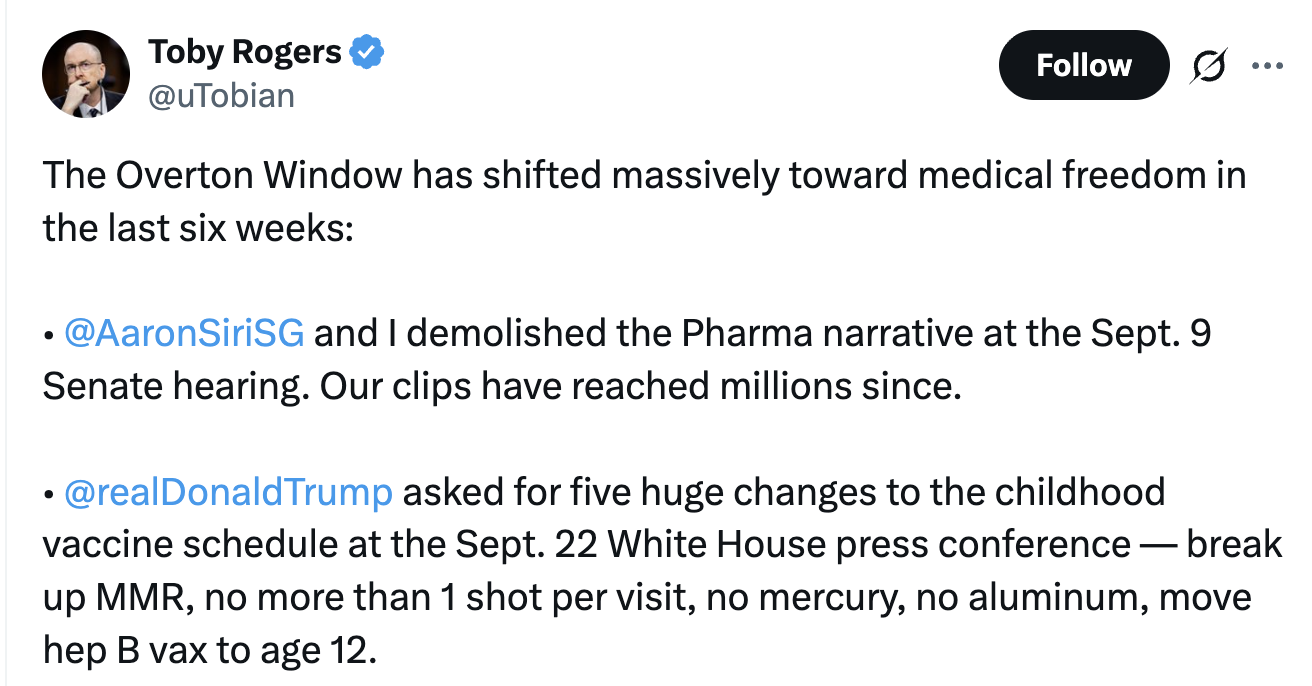
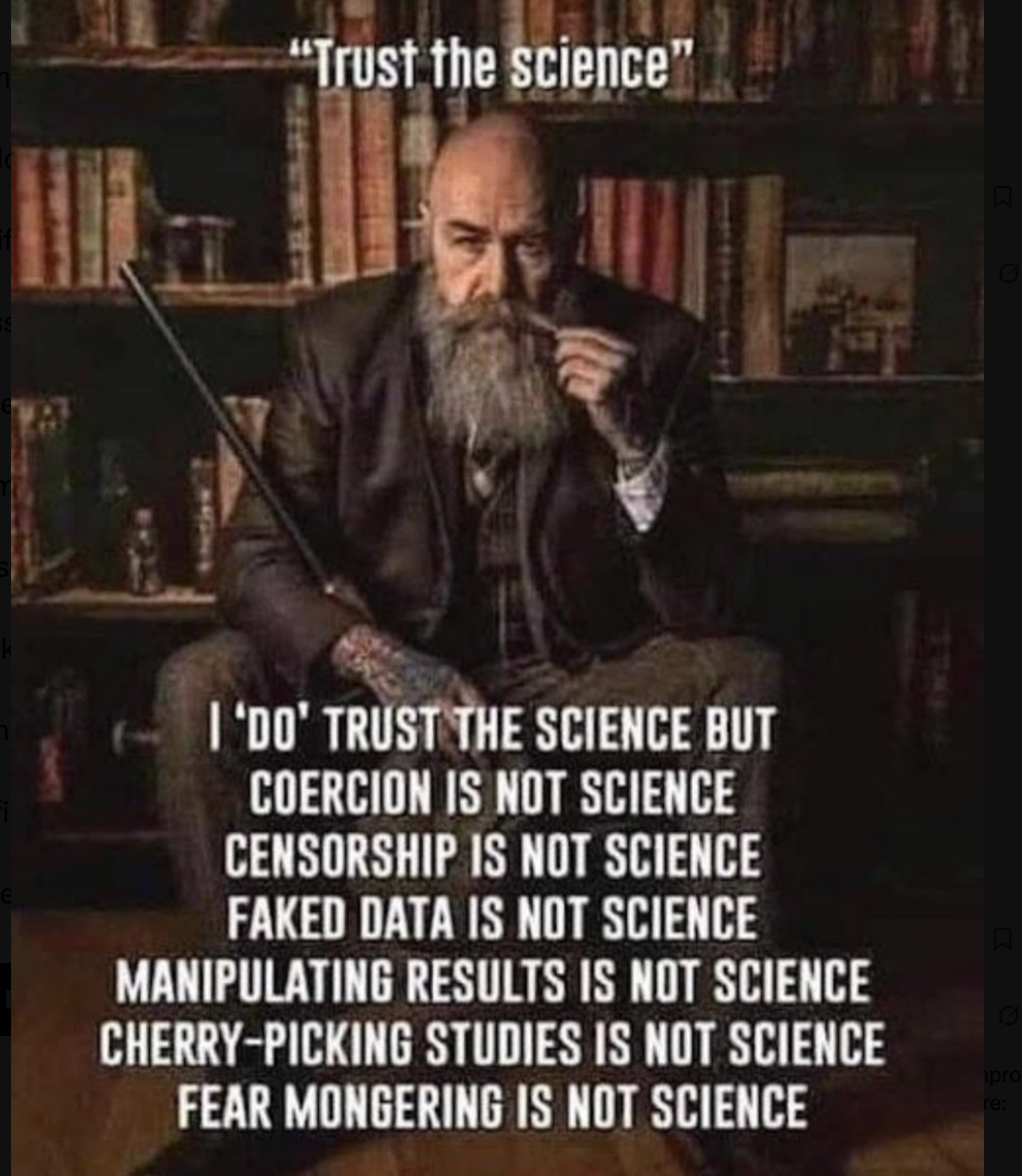
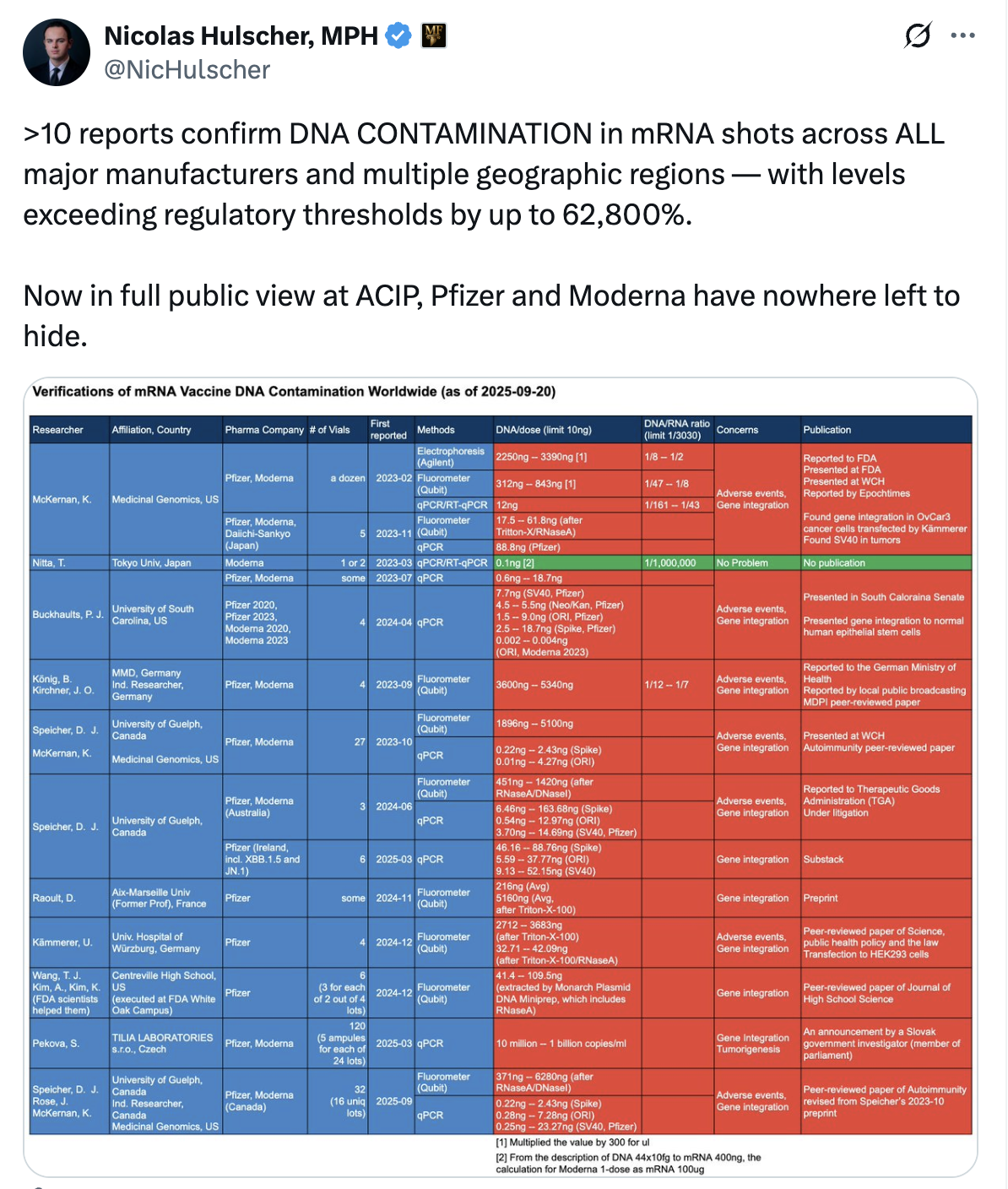
Why not do something similar to protect your mind? Exerting cognitive load builds up your ability to think. Reading widely (rather than simply following corporate news) will protect you from being manipulated by gaslighting and psyops. Now is the time to protect that version of you that will exist in five or 10 years!
[Supp Oct 3, 2025]
Lack of concern with health and growth, even if done in private, are obvious in public. One's huge belly is a lie detector regarding one's bad diet & and lack of exercise. One's willingness to make ad hominem arguments betrays one's refusal to engage with uncomfortable ideas.