The Parallel Stories of Lucy Calkins (the Disparagement of Phonics) and Anthony Fauci (COVID)

I've been listening to outstanding podcast titled "Sold a Story,” an eight-part investigative series hosted by journalist Emily Hanford. Launched in October 2022, “Sold a Story.” This podcast examines the widespread use of an ineffective (and often counter-productive) reading instruction method used in many U.S. schools. This method, heavily promoted by Lucy Calkins, author of the “Units of Study”, was one of the most widely used reading curricula in U.S. elementary schools after its introduction in 1987. This method, which intentionally discourages the use of phonics, has been so firmly embedded in grade school curricula that it continues to be used in many schools despite decades of cognitive science showing that kids learn far better when they are taught significant amounts of phonics. “Sold a Story” exposes how millions of children struggle to read (even now as adults) because schools relied on Calkins' thoroughly debunked theories, often referred to as "balanced literacy" and "whole language."

The focus of the “Sold a Story” is this: Why do so many American schools continue to use reading curricula rooted in such a flawed idea that children can learn to read primarily by guessing words using context clues or pictures, rather than systematically decoding words through phonics? Calkins' approach, influenced by figures like Marie Clay and perpetuated by popular authors and publishers somehow ignored the "science of reading," research showing that explicit phonics instruction is a critical component for most children to become proficient readers. The series also highlights the horrific consequences of excluding phonics—65% of current U.S. fourth graders are not proficient readers.

[Note and Spoiler Alert: Lucy Calkins began incorporating phonics into the Units of Study for Teaching Reading curriculum with the release of her newest method, called the Units of Study in Phonics in 2021. This was in response to growing criticism, including the criticism levied by the "Sold a Story" podcast. Calkins' updated method includes phonics primarily in K-2 classrooms to supplement the core reading curriculum, aiming to address foundational skills like decoding. In her current method, phonics is still deemphasized for grades 3 and beyond.]

Lucy Calkins agreed to be interviewed by Emily Hansford in 2021 after previously rebuffing Hansford. For me, this interview was gripping--I've transcribed it below. What would Calkins say after causing such widespread damage to millions of children? Well, this interview revealed Calkins' lack of integrity and an unwillingness to fall squarely on her sword. She just couldn't bear to admit that she refused to look at the science of reading while creating and promulgating her flawed method. This willful ignorance occurred while Calkins was the nation's de facto rock star of reading education. For years, the science of reading demonstrated that her method was harming children by teaching them to pretend to read. Many kids are wired such that they learned to read despite the fundamental flaws of Calkins' original method but, as indicated above, many other students were left behind, some of them for life. The following is from Episode 6:

Continue ReadingThe Parallel Stories of Lucy Calkins (the Disparagement of Phonics) and Anthony Fauci (COVID)

Two Ways Pharma “Tests” Vaccines to Hide Vaccine Harms

Brett Weinstein explains:

So if you have something dangerous and it's in the shots to do some job like activate your immune system so that it reacts to the the core ingredient of the shot, if it's dangerous but it's in the control and the shot that's being tested, let's say it kills one in 100 people. This is an extreme case, but let's just say that the adjuvant were to kill one in 100 people. Well, if the adjuvant is in both the control and the treatment group, then what the experiment will show is that there was no increased tendency towards death if you got the shot, because it was also the harm was also done to the control group. That is one way of hiding harm.

The second way to hide harm is for pharma always tries to hit this target where something that it is testing against a quote, unquote placebo, which isn't one, is so good that it becomes immoral not to give it to the control group. And so what they do is they rush to vaccinate the control group, thereby stopping the capacity to see what the long term effect of the thing that you were testing is on that population, because you have no one to compare it to because everybody's now had it.

Continue ReadingTwo Ways Pharma “Tests” Vaccines to Hide Vaccine Harms

RFK, Jr.: The Problem with Experts

RFK, Jr.:

Newsweek asked RFK Jr. "why he doesn't stop promoting conspiracy theories".

This was his reply:

"My father told me when I was a little boy that people in authority lie and the job in a democracy is to remain skeptical. I've been science-based since I was a kid. Show me the evidence and I'll believe you, but I'm not going to take the word of official narratives."

"The way you do research is not by asking authoritative figures what they think. Trusting experts is not a feature of science, and it's not a feature of democracy. It's a feature of religion and totalitarianism."

Compare with this passage from The Constitution of Knowledge by Jonathan Rauch (p.88):

I argue that liberal science’s distinctive qualities derive from two core rules, and that any public conversation which obeys those two rules will display the distinguishing characteristics of liberal science. The rules are

- The fallibilist rule: No one gets the final say. You may claim that a statement is established as knowledge only if it can be debunked, in principle, and only insofar as it withstands attempts to debunk it. That is, you are entitled to claim that a statement is objectively true only insofar as it is both checkable and has stood up to checking, and not otherwise. In practice, of course, determining whether a particular statement stands up to checking is sometimes hard, and we have to argue about it. But what counts is the way the rule directs us to behave: you must assume your own and everyone else’s fallibility and you must hunt for your own and others’ errors, even if you are confident you are right. Otherwise, you are not reality-based.

- The empirical rule: No one has personal authority. You may claim that a statement has been established as knowledge only insofar as the method used to check it gives the same result regardless of the identity of the checker, and regardless of the source of the statement. Whatever you do to check a proposition must be something that anyone can do, at least in principle, and get the same result. Also, no one proposing a hypothesis gets a free pass simply because of who she is or what group she belongs to. Who you are does not count; the rules apply to everybody and persons are interchangeable. If your method is valid only for you or your affinity group or people who believe as you do, then you are not reality-based...

Here is a problem, though, with the funnel metaphor. The boundaries of the reality-based community are fuzzy and frothy, not hard and distinct, and the same is true of knowledge itself. What has and The Constitution of Knowledge has not been validated? Who qualifies as an expert reviewer? Who is doing good science or journalism, who is doing bad science or journalism, and who is not doing science or journalism at all? Distinguishing science from pseudoscience and real news from fake news and knowledge from opinion will never be cut and dried. Among philosophers of science, a debate over what kind of thing is and is not science, the so-called demarcation problem, has been going on for a long time without resolution, which makes philosophers unhappy.

In fact, however, efforts to define who is or is not a scientist or what science does or does not do miss the point. The beauty of the reality-based community is that it can acquire all kinds of propositions and organize all sorts of arguments, and it can do all kinds of things to resolve those arguments, so long as its methods satisfy the fallibilist and empirical rules. In the real world, checking does not need to mean falsifying a factual statement in some precise, authoritative way. It means finding a replicable, impersonal way to persuade people with other viewpoints that a proposition is true or false. The reality-based community is thus not limited to handling factual disputes. It can work its will on any kind of proposition which its members and rules can figure out how to adjudicate, and it can drive many kinds of conversation toward consensus.

Continue ReadingRFK, Jr.: The Problem with Experts

Real Education

John Leake:

People who go to university and receive professional training generally obtain higher social status and incomes, and this fosters their belief that they are educated. This is especially true of medical doctors, who undergo far more training that almost every other professional.

However, it seems to me that a true education only begins when one graduates from college, and it never ends until one’s dying day. Common sense tends to decline with college education, but then returns as one continues on the path of experience and diligent learning.

People sometimes ask my why Drs. Peter McCullough and Paul Marik broke ranks with so many of their academic medical colleagues during the pandemic.

“Because they continued performing investigative scholarship while most of their colleagues sat on their hands and waited for guidance from Fauci’s NIAID,” I replied. In other words, most medical doctors in the United States acted more like clerics deferring to orthodoxy than true scholars.

Continue ReadingReal Education

Journalism Defined and Mangled by MSNBC at Madison Square Garden

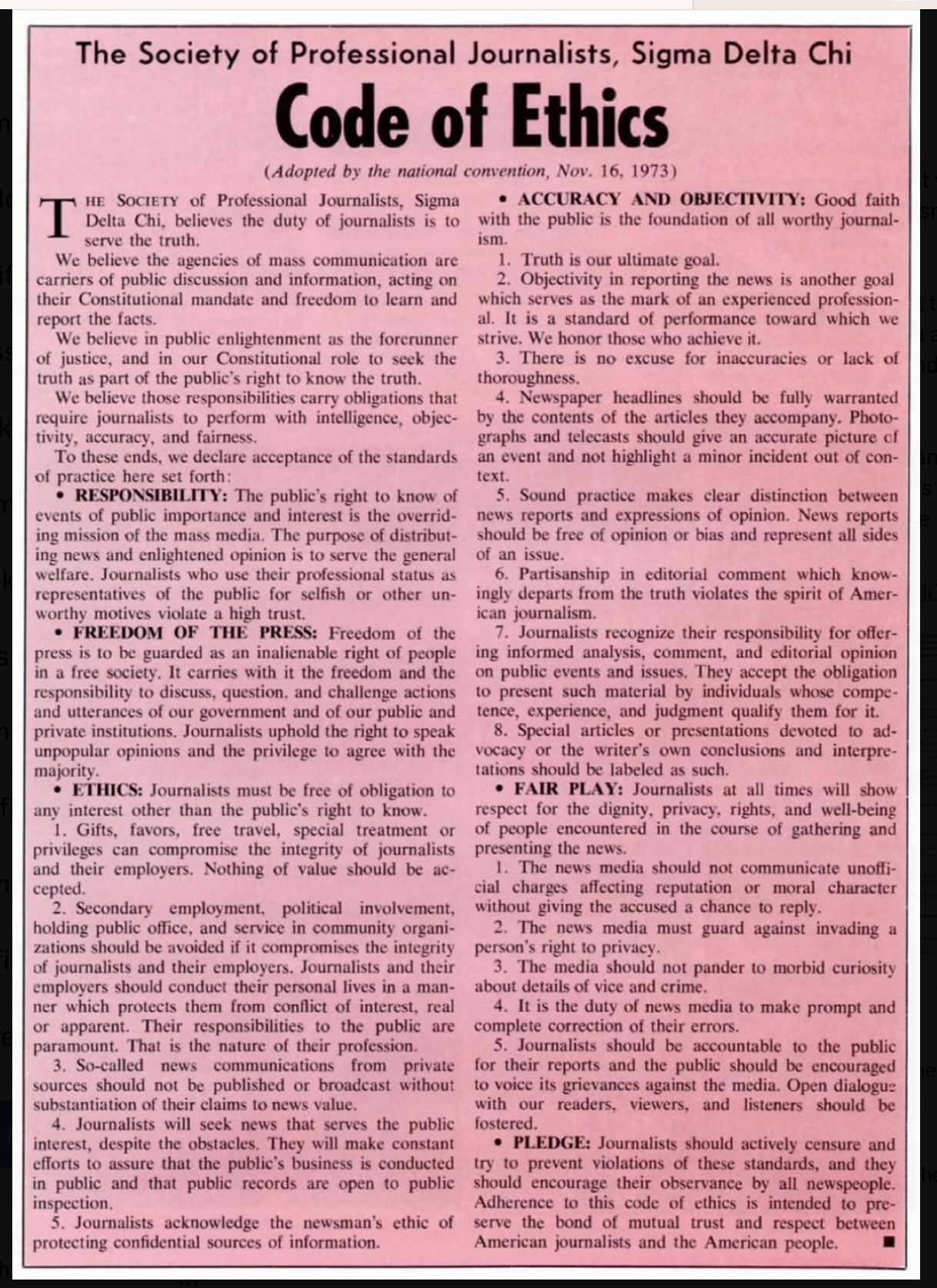
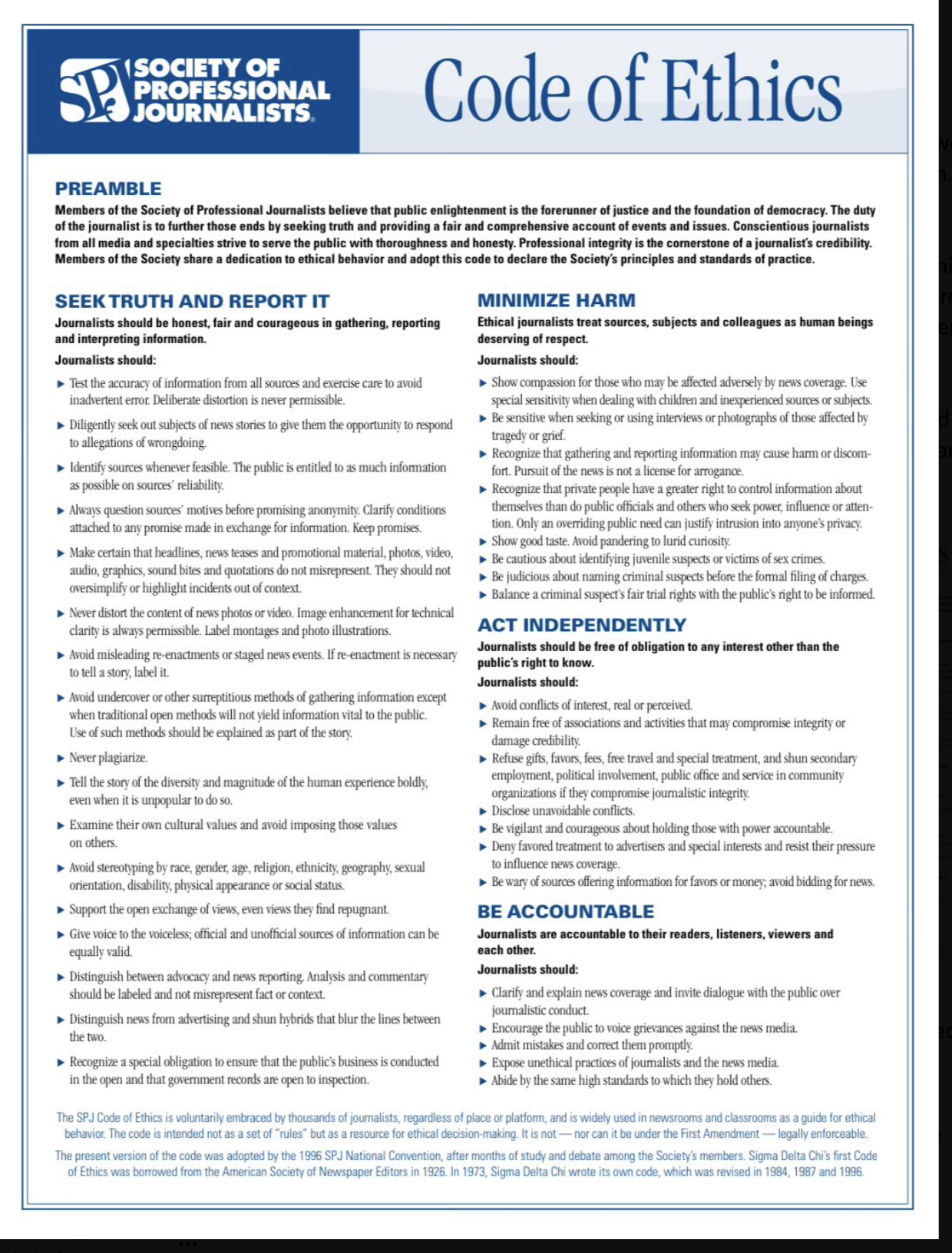
Eric Weinstein schools us on the basics of journalism:

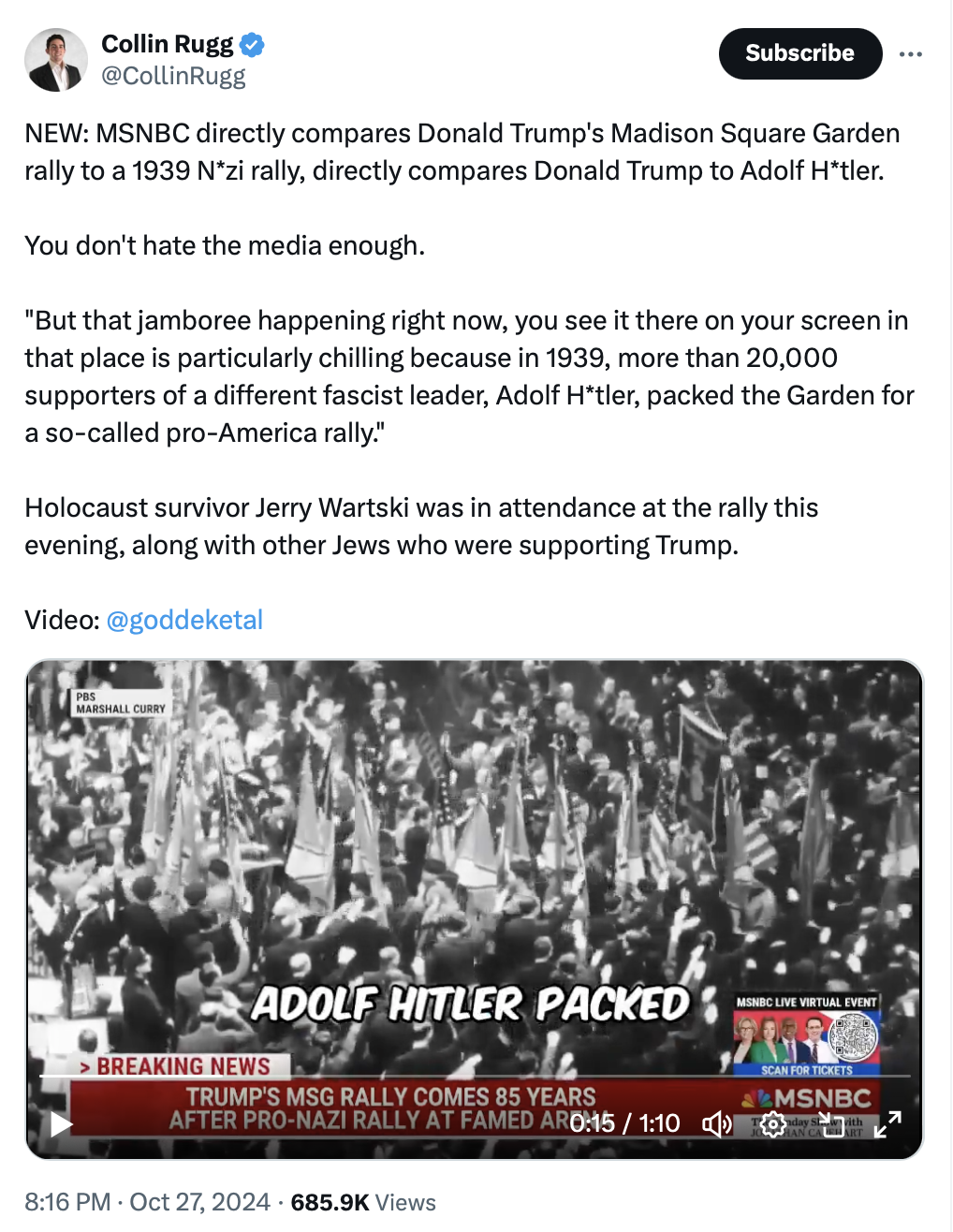
Now consider the "journalism" practiced by MSNBC when describing Trump's Madison Square Garden rally to a 1939 Nazi rally.

MSNBC:

But that jamboree happening right now, you see it there on your screen in that place is particularly chilling because in 1939, more than 20,000 supporters of a different fascist leader, Adolf Hitler, packed the Garden for a so-called pro-America rally.

By the way, Trump's "Nazi" rally featured many people who were prominent Democrats until recently, including Tulsi Gabbard, Elon Musk, RFK, Jr.

Continue ReadingJournalism Defined and Mangled by MSNBC at Madison Square Garden