The Function of “Words Are Violence”
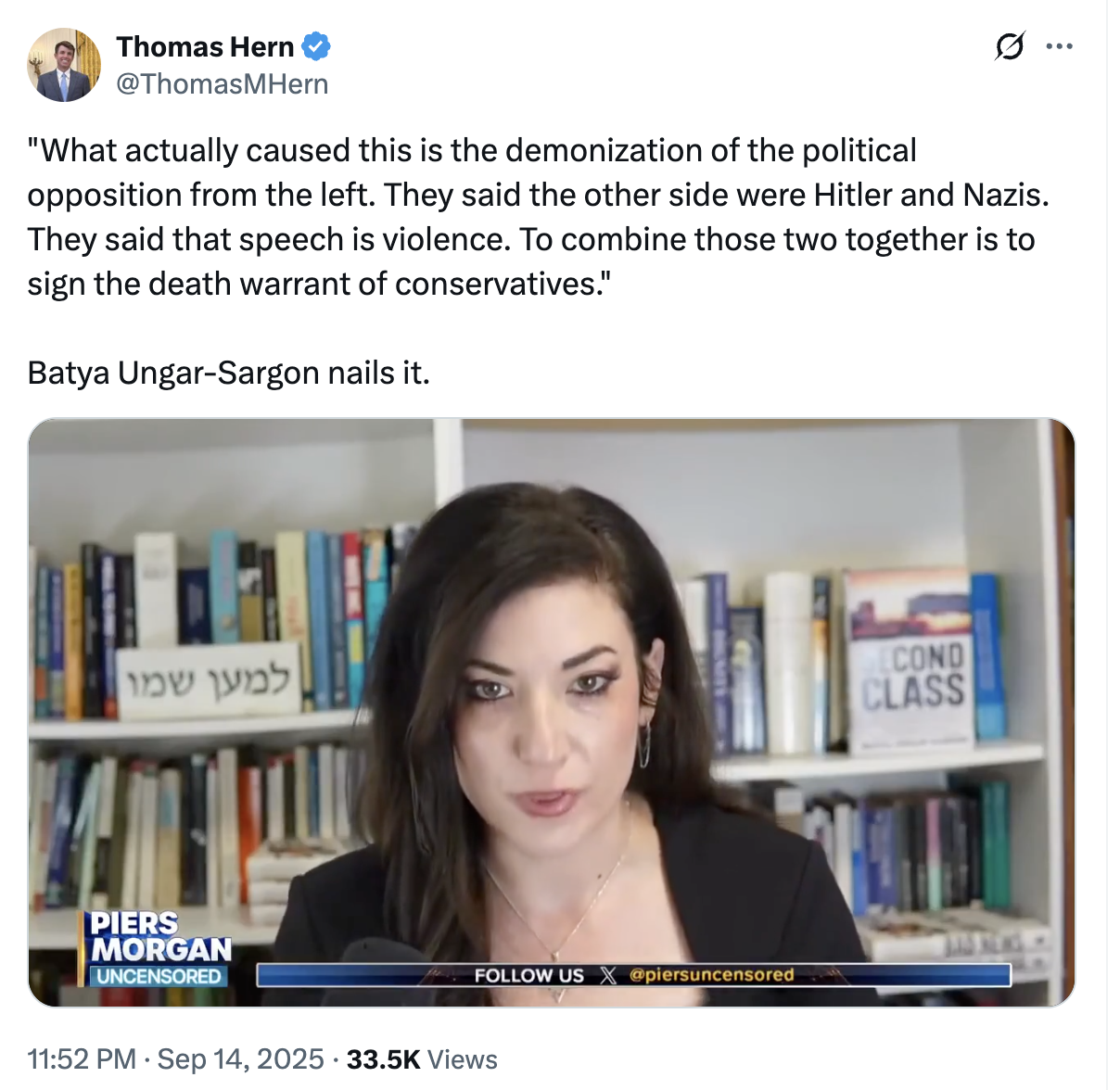
Translation of “Words are Violence”: A) You need to shut up and let ME talk. B) I am the sole judge of what words you are permitted to speak. C) I’m so fragile that I can’t bear to talk with people I disagree with. D) I forbid you to use facts, logic and persuasion while we talk. E) If you say anything I don't like, it will be blasphemy and sacrilege and it proves that you are a bad person engaged in "hate speech." F) I am justified ending our relationship and/or inflicting violence on you if your words piss me off.
The above attitude does not invite meaningful debate of anything of importance. Thus:
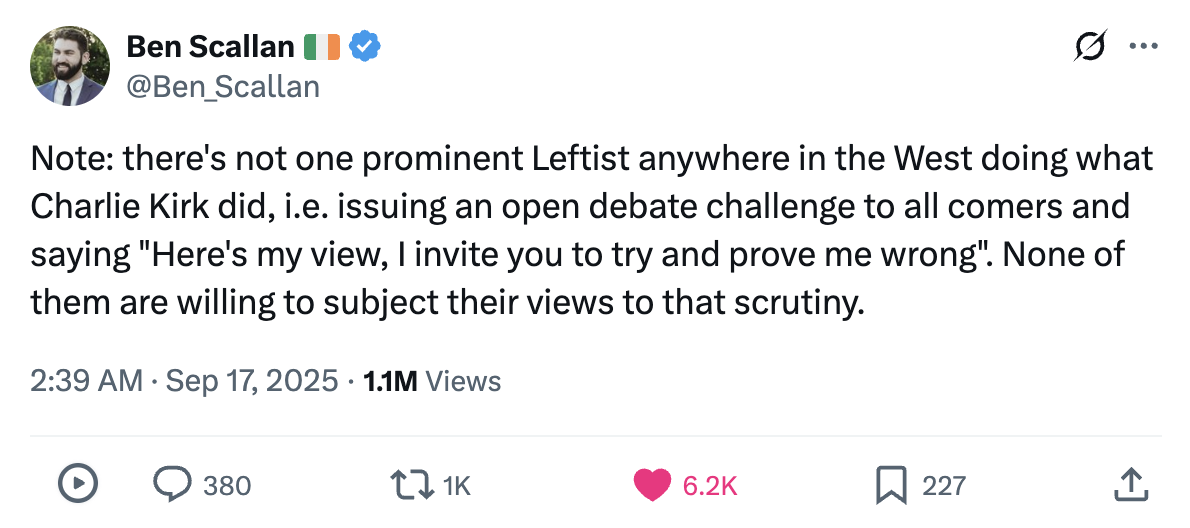
In "Bury the ‘words are violence’ cliché," Greg Lukianoff reminds us that words are not like bullets:
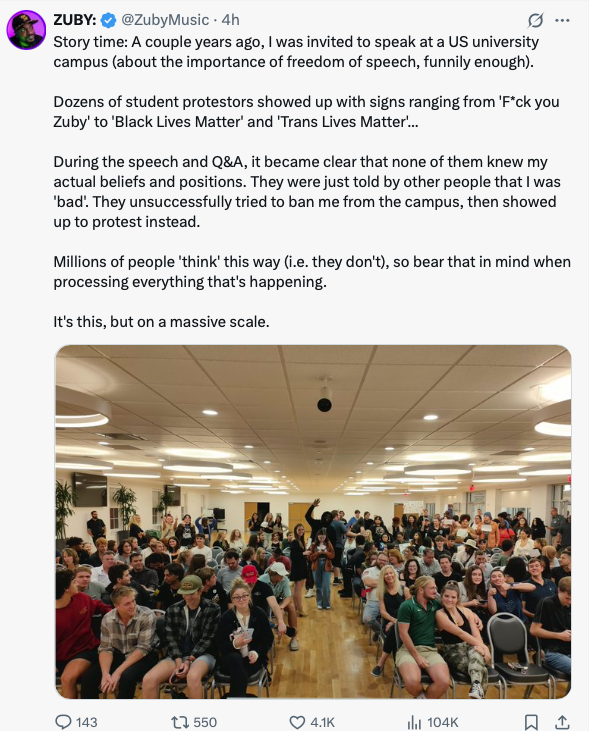
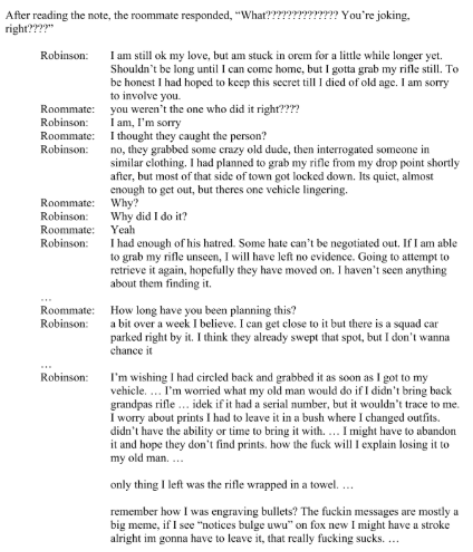
I had my disagreements with Charlie Kirk—sometimes sharp ones—but none of that matters right now. What I respected, and too many of his critics never noticed, was that he showed up. He stood in the quad, took hard questions, argued back, let students argue back at him. That takes time, patience, and courage. Our culture has been teaching young people to scorn that everyday civic courage and to treat contested speech as a kind of physical harm. On that Utah campus we received the final proof that “words are like bullets” is a poisonous and cruel metaphor.
In other words, what looks like a plea for civility is actually a threat. This pertains to both "Words are Violence" and claims of "Hate Speech."