I'm really enjoying the writing of time-management writer Laura Vanderkam. More important, I'm using her ideas to change my life.
I discovered Laura on TED. Last week I read her 2018 book, "Off the Clock: Feel Less Busy while Getting More Done."
Laura's first order of business: In order to know how to get more out of life, you need to track your time to learn how you are actually spending your hours. Creating this inventory is critically important because humans are notoriously error-plagued when they attempt to intuitively account for how they use their time. We fool ourselves relentlessly. Laura points to studies showing that we claim to be working far more hours than we actually work. For example, people claiming to work 75 hours per week typically worked only 50 hours per week.
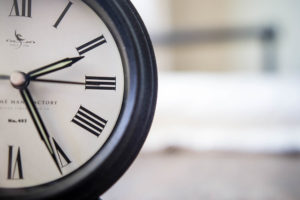
I've been tracking my time for more than a week using a free spreadsheet, Google Sheets. My rows consist of 20 categories (sleeping,attorney work, exercising, entertainment, altruism, eating, reading, wasting time on social media, etc). My columns are the days of the week. Fitbit keeps exercise and sleep counts accurate and an insurance company app tells me house much time I'm actually driving. I estimate the other activities, inputting the data several times per day. It only takes a few minutes per day once you set up your spreadsheet.

 keep track of things is by taking photos. It started as a hobby, then grew into a business about eight years ago. And it is also therapy. Photography helps me to stay in the moment. Photography is also exciting, and post-production is as exciting as capturing images.
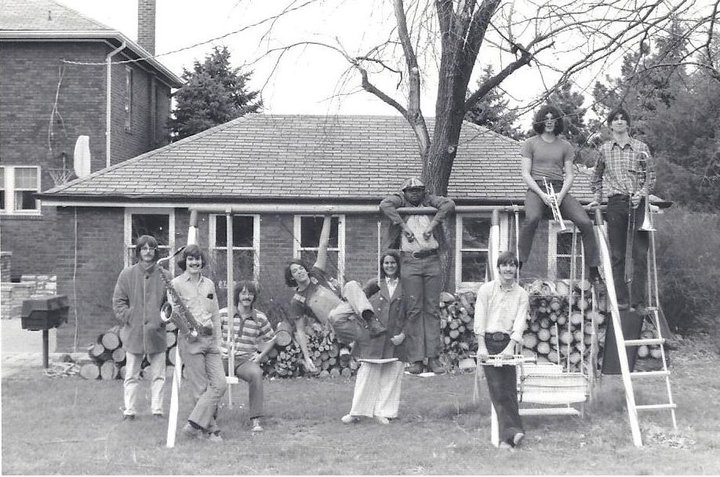 "Ego" in 1975.: Tom O'Brien (bass), Tom Atkinson (woodwinds), Erich Vieth (guitar), Mike L'Ecuyer (keyboards), Sharon Schutte (vocalist), Charles Glenn (percussion and vocalist), Mark Harmon (trumpet), Ron Weaver (trumpet) and Mike Harty (trombone).
----
As I heard this tune today, it very much brought me back to the happy times of playing with such an extraordinary group of good friends. It also struck me how little things have changed. It also haunts me that the vocal part of the song that I sang in our performances (sung by Terri Kath on the album) is an extraordinary challenge. I very much meant those opening words as an 18-year old young man and they resonate with me today.
"Ego" in 1975.: Tom O'Brien (bass), Tom Atkinson (woodwinds), Erich Vieth (guitar), Mike L'Ecuyer (keyboards), Sharon Schutte (vocalist), Charles Glenn (percussion and vocalist), Mark Harmon (trumpet), Ron Weaver (trumpet) and Mike Harty (trombone).
----
As I heard this tune today, it very much brought me back to the happy times of playing with such an extraordinary group of good friends. It also struck me how little things have changed. It also haunts me that the vocal part of the song that I sang in our performances (sung by Terri Kath on the album) is an extraordinary challenge. I very much meant those opening words as an 18-year old young man and they resonate with me today.