Meta-cognition documented in chimpanzees

Humans are not the only animals capable of meta-cognition: the ability to think about their thinking. A recent article in Science Daily demonstrates that chimpanzees are capable of meta-cognition:

[C]himpanzees named items immediately and directly when they knew what was there, but they sought out more information before naming when they did not already know. The research team said, "This pattern of behavior reflects a controlled information-seeking capacity that serves to support intelligent responding, and it strongly suggests that our closest living relative has metacognitive abilities closely related to those of humans."

Continue ReadingMeta-cognition documented in chimpanzees

More about tribes

This, from Blue Street Journal:

Social Psychologist Geoffrey Cohen found that Democrats will typically support a policy proposal that severely restricts entitlements (something typically favored by Republicans) if they think it was proposed by members of their own party. Additionally, Republicans will typically support an extremely generous entitlement program if they think it was proposed by Republicans. In contrast, if a Democrat or Republican thinks that a policy was proposed by the opposing party, they will tend to reject it no matter what it says. This was tested in a lab study where participants were asked to read the policies for themselves. Democrats were led to believe that the policy they were reading was proposed by a Democrat, even though it was actually proposed by a Republican. Republicans were placed in the same scenario, but with a Democratic policy they believed was proposed by a Republican. In both situations, the participants tended to agree with the policy they believed was affiliated with their own party and rejected the policy they believed was affiliated with the opposing party. A second group of Democrats and Republicans rejected the very same ideas that the first groups accepted when they believed that they were proposed by members of the opposing party. This demonstrates that people tend to accept political ideas based on party affiliation rather than the actual content of the ideas.

 

Continue ReadingMore about tribes

The importance of grooming in human animals and the other primates.

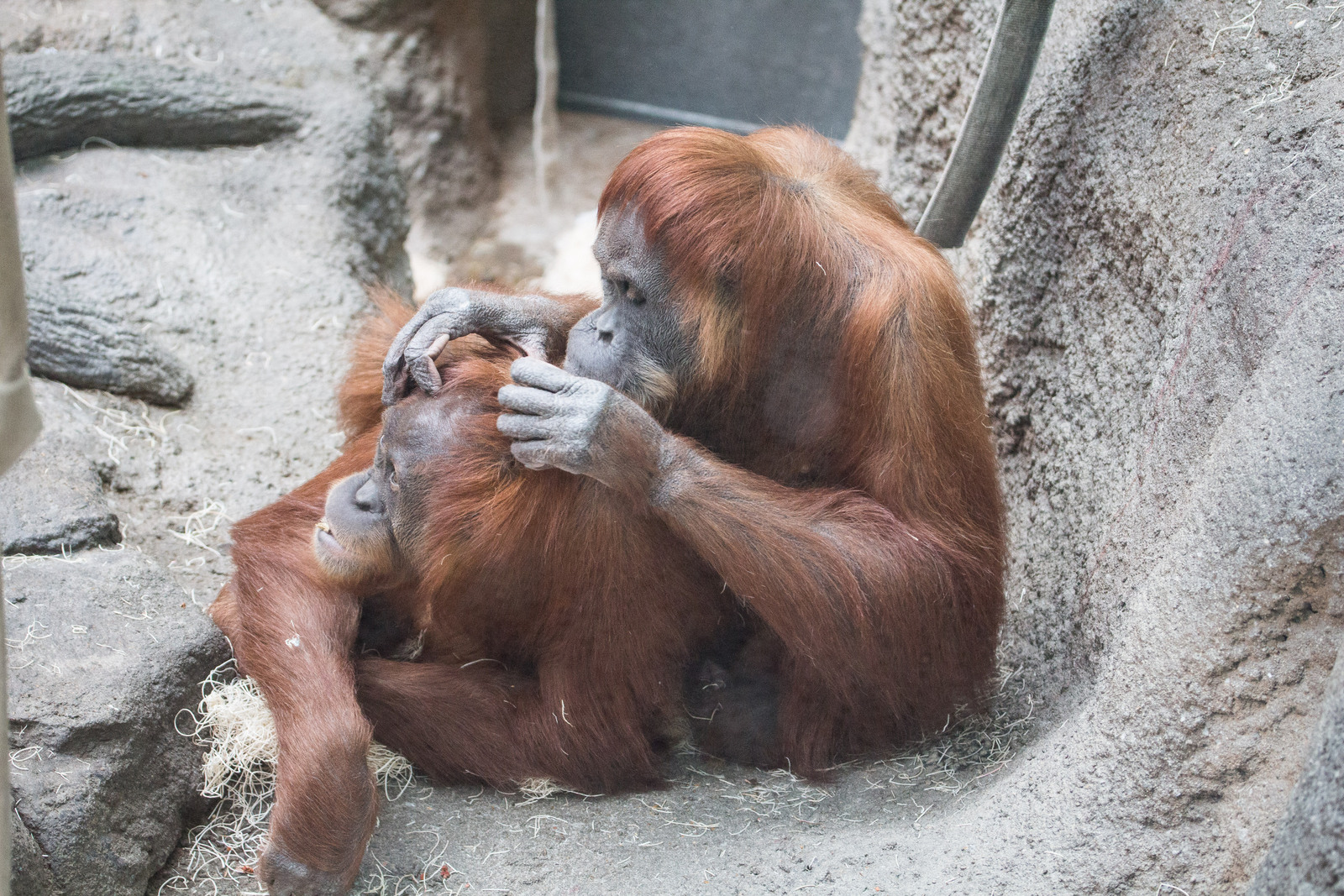
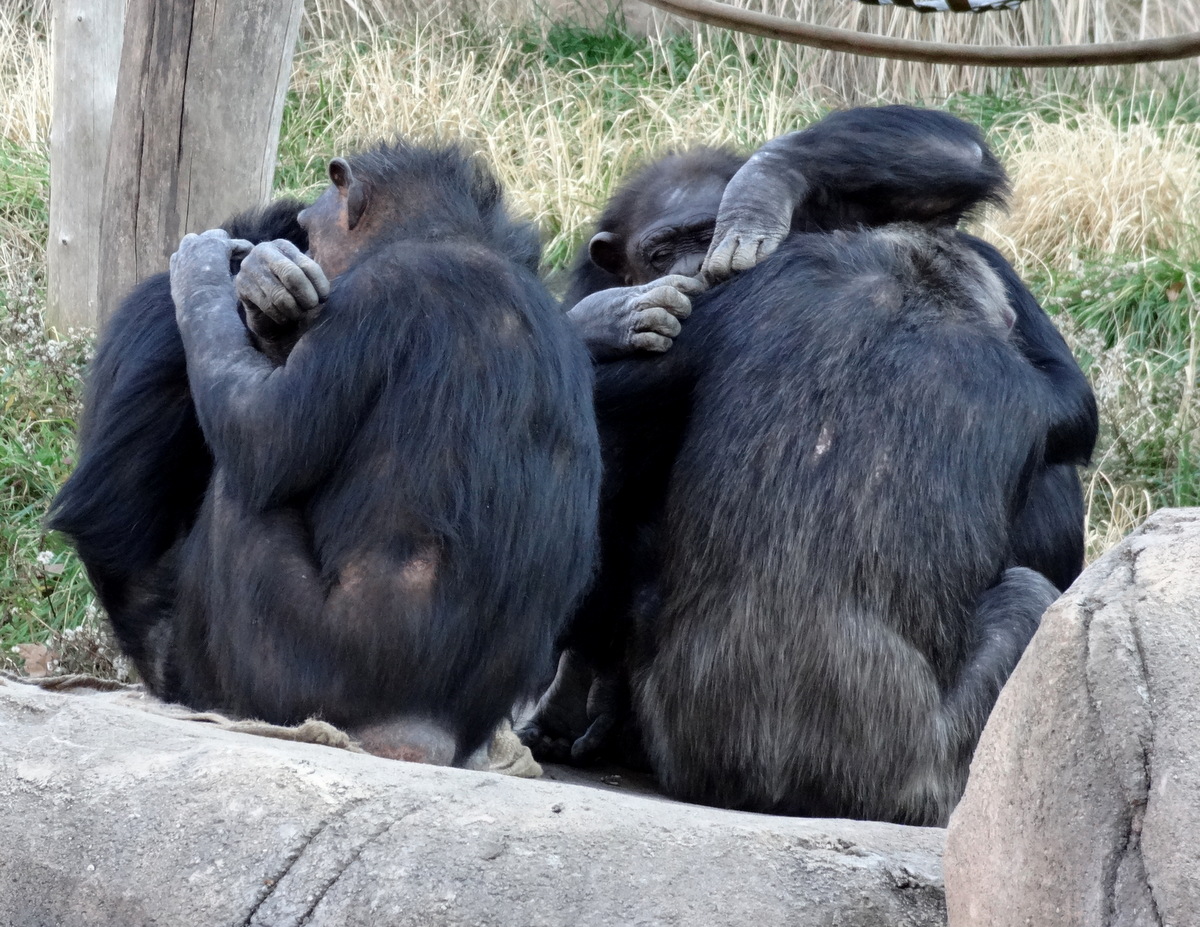
Here are a few photos I took at the St. Louis Zoo over the past few weeks. All of these involve physical grooming by primates, three of them featuring two orangutans and one of them involving a larger group of chimpanzees. This is one of the ways these animals know who is their friend or foe. Orang Grooming Orang grooming II Orang Grooming III chimpanzees grooming We human animals groom for this same purpose, but we generally engage in verbal grooming: gossip. Using words rather than physical grooming we can connect with many more fellow humans at one time than any of those animals limited to physical grooming. I make this claim based on the work of Robin Dunbar.

Continue ReadingThe importance of grooming in human animals and the other primates.

Most radiologists don’t see gorilla on lung scans

An early "inattention blindness" study demonstrated that half of the people viewing a group of students playing basketball failed to notice that a "gorilla" joined the game. In a newer study of "inattention blindness," the experimenters inserted an image of a gorilla onto the upper right corner of a lung scan. It would be quite visible to anyone looking for it. Despite this, 83% of radiologists failed to notice it. Both studies are featured here.

Continue ReadingMost radiologists don’t see gorilla on lung scans