Creating a film in two days

The 48-Hour Film Project is a challenge to make a 4 to 7 minute film in only 48 hours, including writing the script, shooting the scenes and all editing the film, including the creation of a musical score. Very ambitious and intense. The competing teams each submit films which are viewed and graded by judges. In 2011, a friend of mine, Jon Abrahams, was part of the team that won not only the local competition, but the international competition, with a film called "In Captivity." His team's film was featured in this Youtube introduction to the 2012 competition. Also featured here is an interview of Jon. This looks like a blast--I'd love to try it someday.

Continue ReadingCreating a film in two days

Having more fun with photos using Lightroom 4

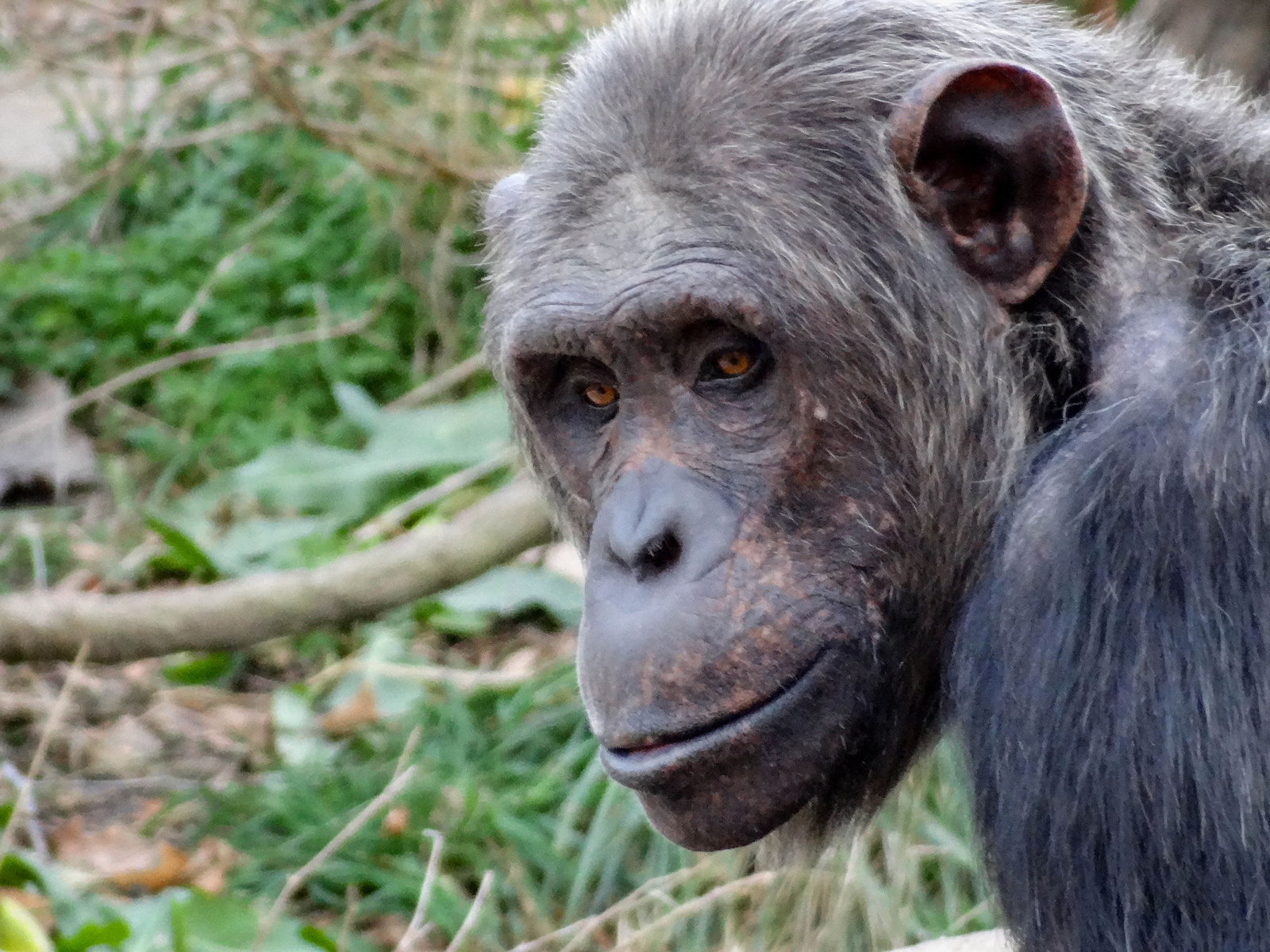
Yesterday, my 14 year old daughter JuJu and I spent the entire day at Studio 314 in Midtown St. Louis learning Adobe Lightroom 4. I'd been using Picasa for organizing my photos, and Picasa/Photoshop for processing. Lightroom is an incredible package --it allows you to quickly sort through your photos and also to "develop" them using sophisticated controls that allow for individual tweaks and batch processing. It's a professional tool, and even after a day of studying it and most of a day (today) continuing to study it and use it on my own, I only think I've tapped into 50% of what the program can do. Not that knowing the controls is being proficient at using the program either. I'm sure that I'll be picking up lots of tips and efficiencies over the next six months or so (there are tons of Youtubes and other videos offering instruction in Lightroom). What I've already noticed is that I'm turned some mediocre shots into decent shots and I've turned many decent shots into impressive images. Lightroom offers far more flexibility than the free photo organizing and processing programs out there, such as Picasa and iPhoto. Lightroom 4 is only about $100, so it's well in range of amateur photographers like me. Today I spent a couple hours at the St. Louis Zoo capturing images, so that I could have something interesting to process in Lightroom 4. I'll paste a couple of my photos below, but also offer a gallery (you can get to the gallery by clicking on the title of this post if you don't see it). I invite you to click on the photos below to see them in much better detail. So far, so good. I'm definitely going to incorporate Lightroom into my workflow. [These images were taken a Canon S95 and a Sony HX10V, two modest priced cameras, nothing fancy].

Continue ReadingHaving more fun with photos using Lightroom 4

Compact super-zoom cameras

There's a new generation of little cameras out there, and I took the plunge. I've been looking for a powerful zoom, but I didn't want to lug a big camera around. Then I noticed that several camera makers have come out with some extraordinarily small cameras with big zooms. I went to a couple of areas stores and looked at several of them, including the Canon SX260 and the Panasonic Lumix ZS20. They were both impressive looking, but I eventually went to Costco where I purchased the Sony HX10V for $260. It looks like a run-of-the-mill compact camera until you turn it on and use the 16x optical zoom. I don't quite understand how the engineers figured out how to get the 2" of zoom lens to protrude from a 1" camera body. It's quite an impressive work of engineering. How well does the zoom work? I've tested it out at the Forest Park Grand Basin. The first photo is looking toward the St. Louis Art Museum without any zoom. The second photo, shot while standing in the same spot, is with full zoom. Click on the photos for more detail (these are lo-res versions of the images--the camera max is 18.2 mega-pixels). This is going to be fun for shooting wildlife and many other types of shots where you don't want to distract the subjects. And the camera easily fits in a pocket, and it's loaded with many features above and beyond its magical zoom lens.

No Zoom

Full Zoom

Sony touts this camera's ability to take low light shots with good reason. This final image was a hand held shot of my street taken at midnight. I'm really impressed that the camera took a sharp photo in this very low light. I took this shot on full automatic--the camera recognized this to be a low light shot and automatically compensated.


Continue ReadingCompact super-zoom cameras