The Atlantic Features Macro Photo Winners
The Atlantic is featuring an awesome collection of close-up photography. These are voted the favorites out of more than 6,500 entries.

The Atlantic is featuring an awesome collection of close-up photography. These are voted the favorites out of more than 6,500 entries.
I had seen this quote before and posted a cartoon on this idea, but tonight I heard Tristan Harris read this passage by Neil Postman (Amusing Ourselves to Death) toward the end of his discussion with Joe Rogan. It hits the nail on the head:
What Orwell feared were those who would ban books. What Huxley feared was that there would be no reason to ban a book, for there would be no one who wanted to read one. Orwell feared those who would deprive us of information. Huxley feared those who would give us so much that we would be reduced to passivity and egotism.
Orwell feared that the truth would be concealed from us. Huxley feared the truth would be drowned in a sea of irrelevance. Orwell feared we would become a captive culture. Huxley feared we would become a trivial culture, preoccupied with some equivalent of the feelies, the orgy porgy, and the centrifugal bumble puppy.
As Huxley remarked in Brave New World Revisited, the civil libertarians and rationalists, who are ever on the alert to oppose tyranny, “failed to take into account man’s almost infinite appetite for distractions.”
In 1984, people are controlled by inflicting pain. In Brave New World, they are controlled by inflicting pleasure. In short, Orwell feared that what we fear will ruin us. Huxley feared that our desire will ruin us.
What an awesome photo from 2015. I hadn't seen this image until today: From NASA (and this article also includes an animation of there moon crossing): EPIC maintains a constant view of the fully illuminated Earth as it rotates, providing scientific observations of ozone, vegetation, cloud height and aerosols in…
For several years I have taught week-long courses at law schools in Istanbul, Turkey. Those visits have been put on pause due to COVID. I was a couple weeks from traveling to Istanbul once again in early March, 2020, but I reluctantly cancelled that.
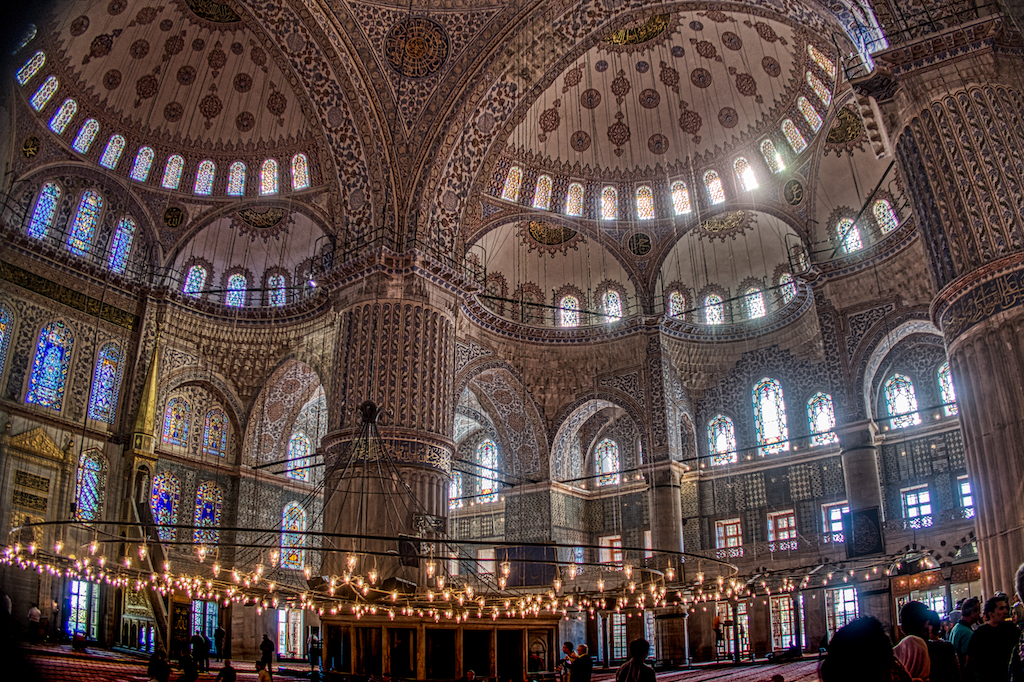
I often think of the many people I repeatedly visit when I'm in Turkey. Like most of my friends in the U.S., digital technologies have made it possible to keep in touch, but I look forward to the day when I can once again take it all in through all five senses.
Back here in St. Louis, Missouri, I tend to my ordinary life. Every week or so, however, I fondly think of something that I couldn't have predicted before I first visited the Middle East. I often think of the call to prayer.
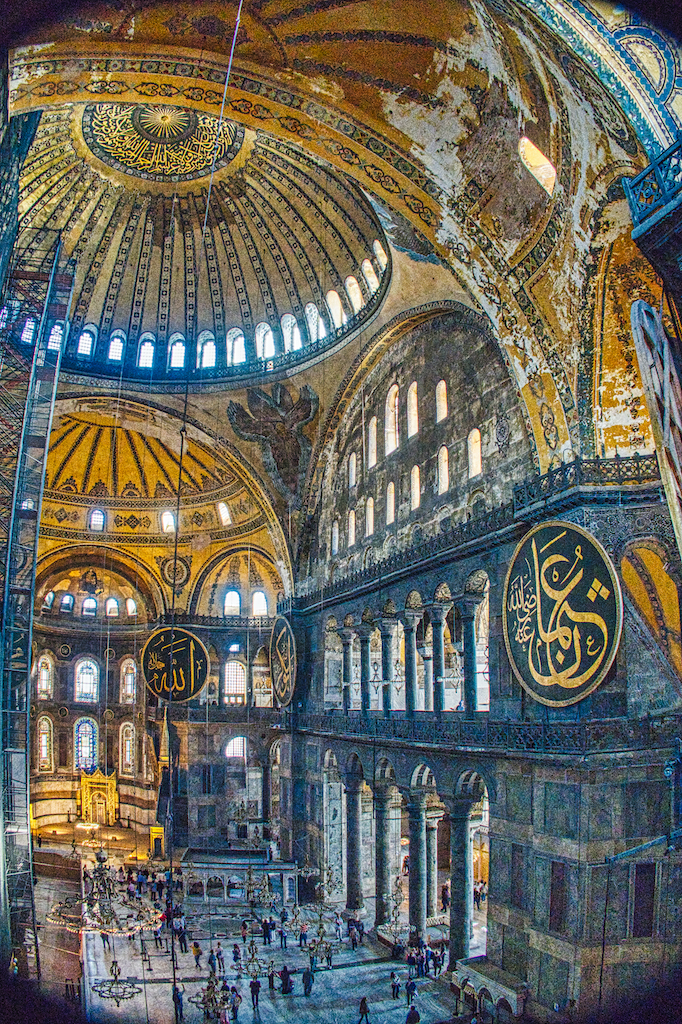
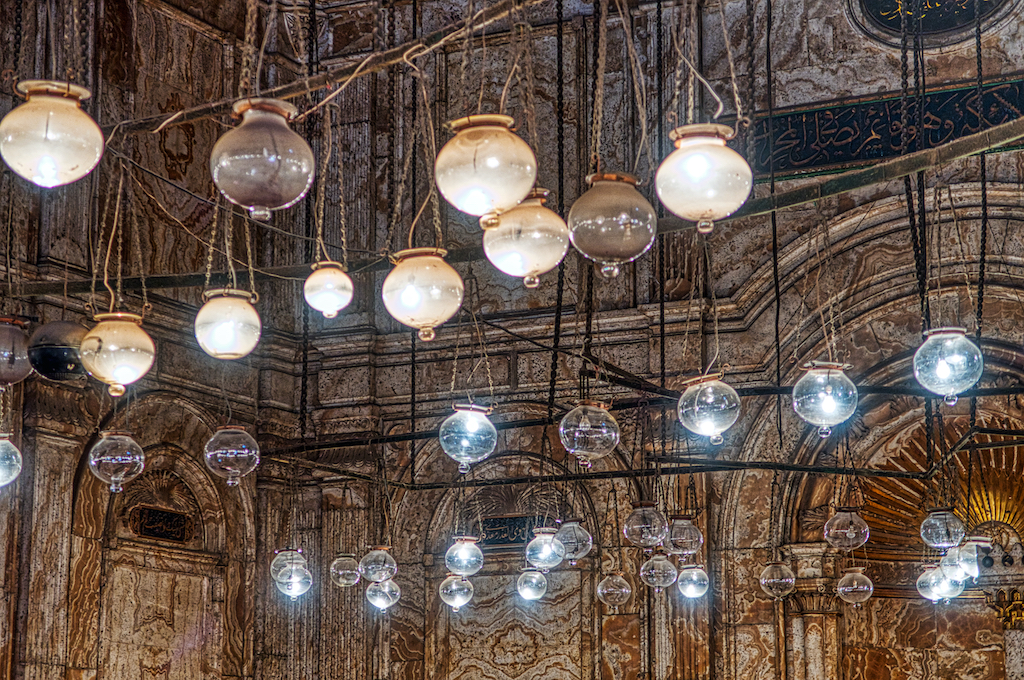
In the Middle East, the muezzin calls out from the top of nearby minarets five times each day (sometimes more than one at the same time if you are between minarets). It's a call, for sure, and almost seems like a song, but I've been told that it is not singing. The calls seemed like intrusions on my ears until I heard many of them. Gradually, over my repeated visits, the call to prayer became an exceptionally beautiful moment for me. I write this as an atheist who doesn't understand any of the words of the call to prayer. For me, its beauty is about the sounds and the moment, coupled with images of the venerable mosques I visited (I took these photos in Turkey and Egypt). Also coupled with the second-to-none hospitality of the people I met in the Middle East. It's different than church bells, because it's only five times each day and because you are not hearing a mechanical bell--you are hearing a human being earnestly calling out to you.
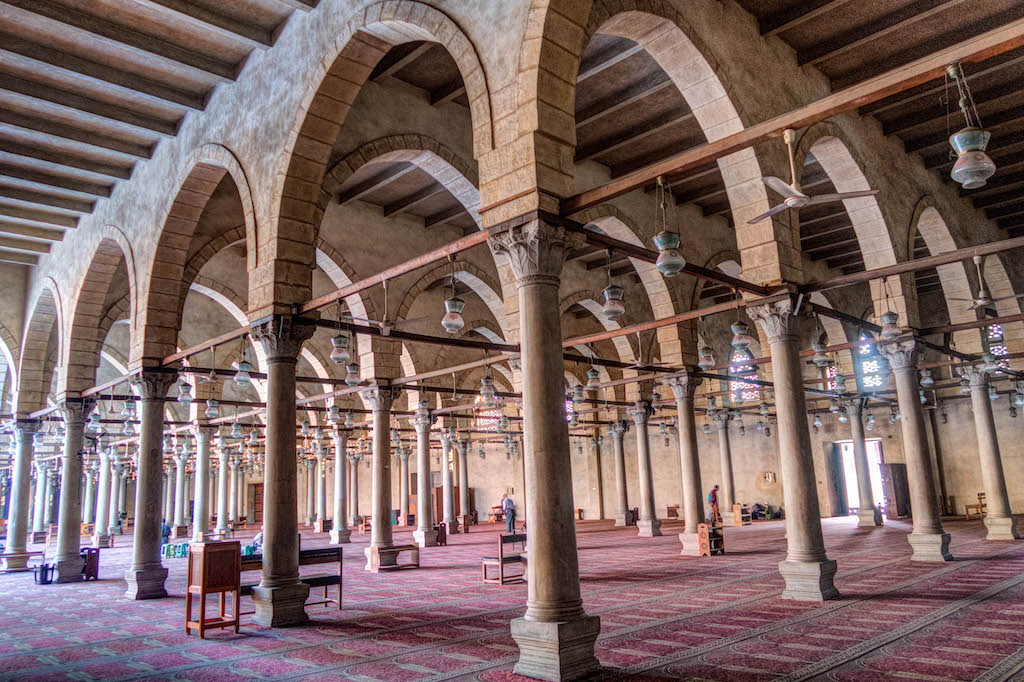
As I repeatedly visited Turkey, I started looking forward to the calls as opportunities to stop and think about life and my place in the world. I also took it as a reminder to always be tending to things that really matter because the day is always slipping away. It is also a reminder that you are part of a much bigger community because that call is to everyone in hearing distance, not just you. 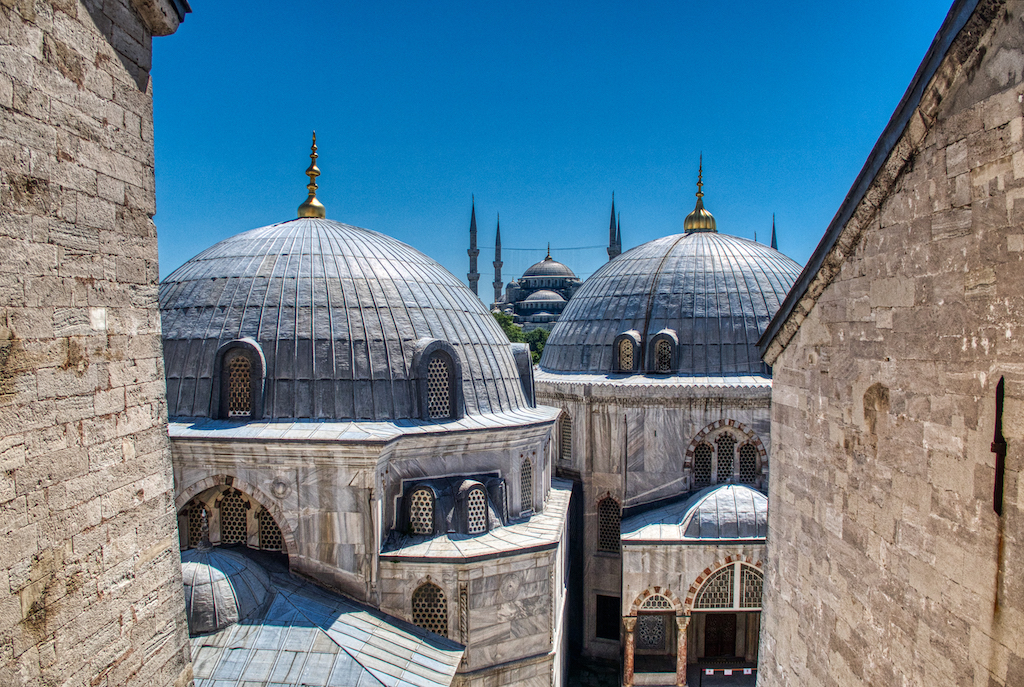
There are many reasons for craving an effective vaccine for COVID. For me, this is a reason that I didn't anticipate. This is a good example of a reason that you should travel to new places: If you travel with the right state of mind, you will be changed by what you encounter.
This opinion piece by Sebastian Smee of WaPo takes aim at the cultural sickness of that is rapidly spreading through our institutions. Spot on. One might think that an art gatekeeper like Darren Walker (President of the Ford Foundation) would understand the societal value of art. And BTW, I will continue to use the term "tone deaf," literally and metaphorically without apology. It's so sad to watch people in high places peeing all over themselves to accommodate pernicious Woke ideology.
Which aspect of Walker’s statement in support of postponing the Guston show might have caused more upset? Was it the part where he used a term for having problems discerning pitch, which some deaf people might have mistakenly construed as a reference to them? Or was it the part where he offered his support for censoring one of America’s most influential artists, in the process disappointing art lovers around the world, putting freedom of artistic expression in jeopardy, and sending a chilling signal to artists about what will be permissible and what won’t?We live in a democracy, and it’s okay to have different opinions about Philip Guston and his imagery. Even though he was an avowed anti-racist who has influenced some of today’s most brilliant and politically engaged Black artists, some people are not going to like some of his imagery.
But that goes for a lot of art, and even a lot of great art. What you do, if you’re running a museum and have decided this artist deserves such a show, is what museums are supposed to do: You educate. You inform. You honor the nuance. You don’t just accept, you commit to complexity. Not later, in 2024, but precisely now, when nuance and complexity are being violently expunged from the public sphere . . .