Robert Malone’s Sense of Humor
I subscribe to Robert Malone's Substack. I especially enjoy his cartoons/memes. Here's a few from today's newsletter.
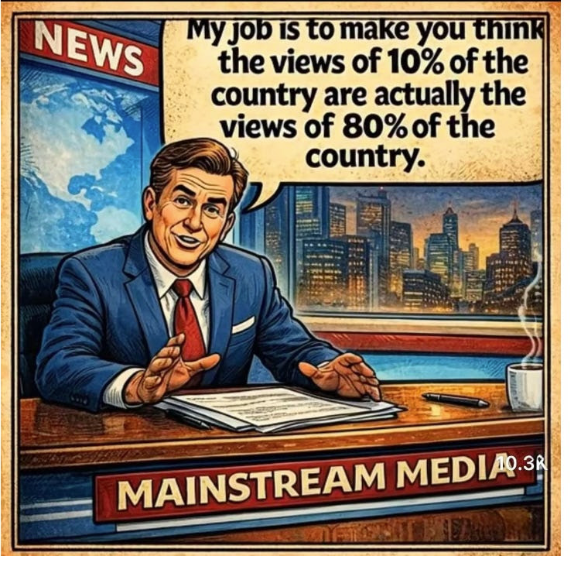
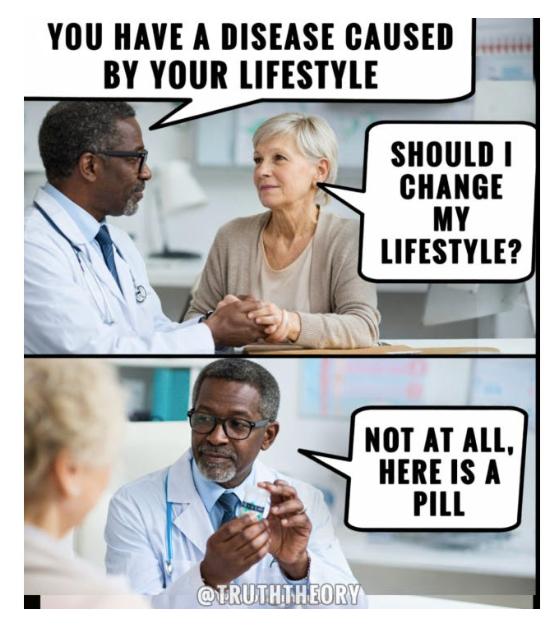
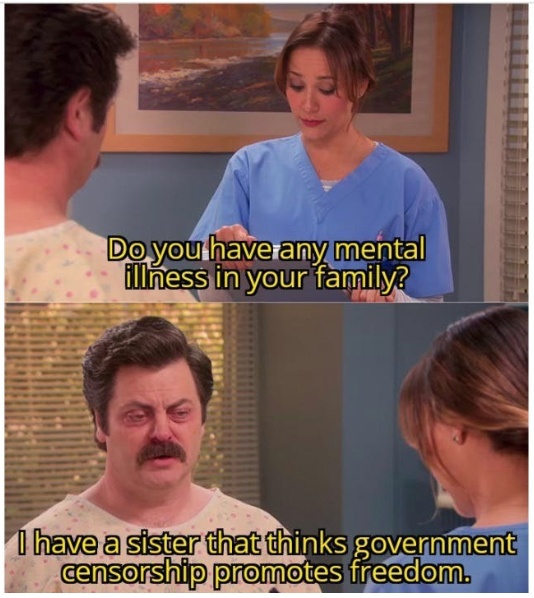

I subscribe to Robert Malone's Substack. I especially enjoy his cartoons/memes. Here's a few from today's newsletter.
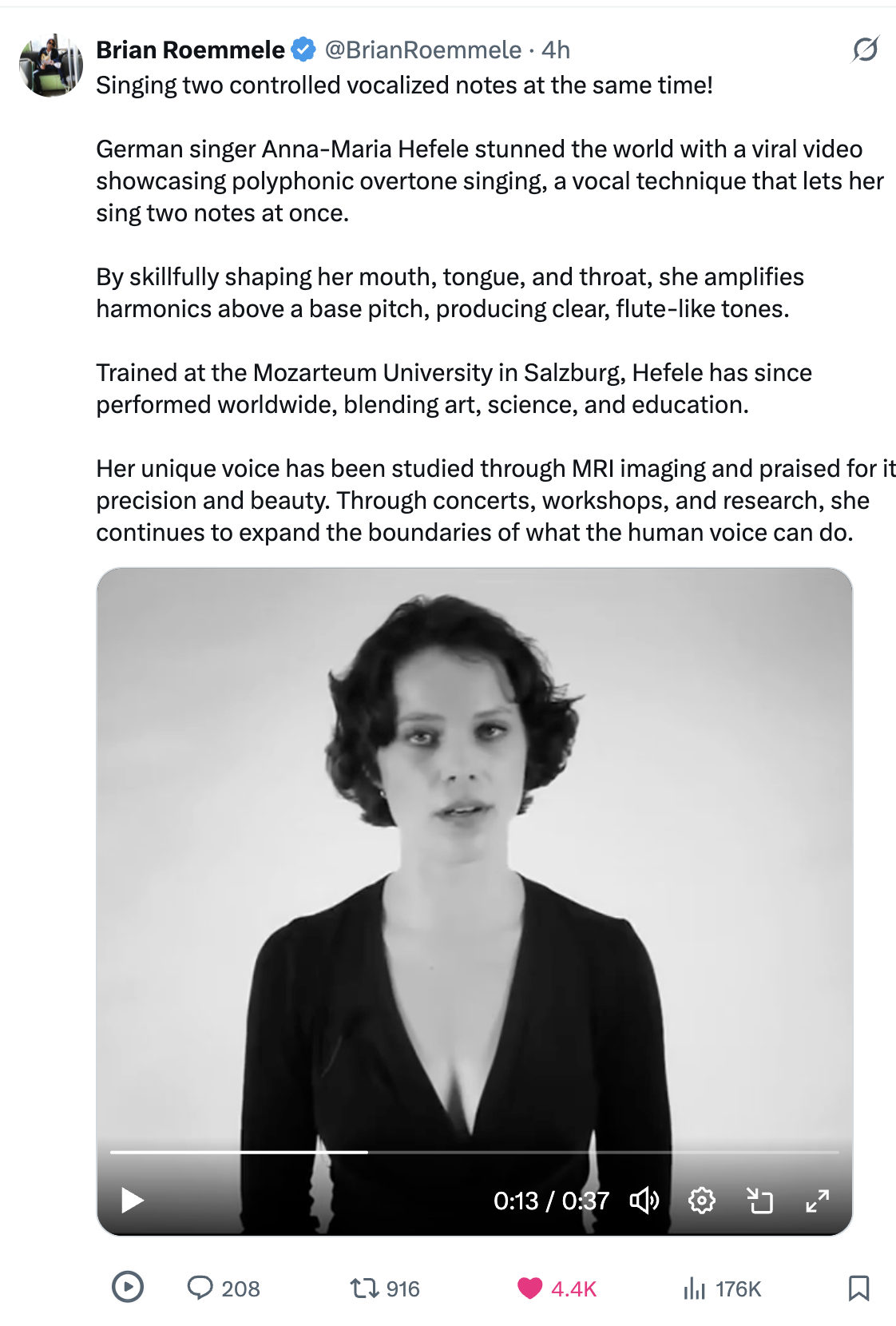
Today I learned that overtone singing--singing two notes at the same time---is possible . . .
I'm a race abolitionist. I think we should completely dispense with the categories of "black" and "white" and describe people in other, less destructive, terms. The only exception is that we should retain and enforce civil rights laws because some people enthusiastically categorize people in terms of "race," discriminating against some races and preferring others. I set forth my position in this acticle, ""Race" is Like Astrology."
I hope that someday, all of us will get back on track with the purpose of the original civil rights movement (rather than the absurd and destructive "anti-racism" movement) and that, someday, "race" will be the least useful or interesting thing we can say about people.
That said, "white" males are actively being discriminated against, especially against Millennials and beyond (Millenials were born between 1981-1996), especially in the creative fields, including writing. This oftentimes overt discrimination is well-documented by Jacob Savage in his article at Compact, "The Lost Generation." . Here's an excerpt:
In 2021, new hires at Condé Nast were just 25 percent male and 49 percent white; at the California Times, parent company of The Los Angeles Times and The San Diego Union-Tribune, they were just 39 percent male and 31 percent white. That year ProPublica hired 66 percent women and 58 percent people of color; at NPR, 78 percent of new hires were people of color.This is an excerpt from a much longer excellent article. I highly recommend reading the entire thing.
“For a typical job we’d get a couple hundred applications, probably at least 80 from white guys,” the hiring editor recalled. “It was a given that we weren’t gonna hire the best person… It was jarring how we would talk about excluding white guys.” The pipeline hadn’t changed much—white men were still nearly half the applicants—but they were now filling closer to 10 percent of open positions.
Suddenly, in Andrew’s newsroom, everything was driven by identity. There were endless diversity trainings, a racial “climate” assessment—at one point, reporters were told they had to catalog, in minute detail, the identity characteristics of all their sources. Andrew had been instrumental in forming the union at his company, and objected when negotiations shifted from severance pay and parental leave to demands for racial quotas. “They wanted to do like ... emergency hires of black people,” he said.
When he questioned these new priorities, the response was swift. “On a Zoom call, women would clap back at something I was saying and other women would snap their fingers in the [chat] window,” he recalled. “It was this whole subcultural language being introduced wholesale.” ...
It’s striking how casual it all was. “Chicago Fire—the UL [upper level] can be [anyone], but we need diverse SWs [staff writers].” As in other industries, upper-level positions—writers with experience and credits—could still be filled by white men. But the entry-level jobs, the staff writer and co-producer positions that Matt and thousands of other aspiring writers were competing for, were reserved for others.
I would hope that these dire statistics don't dissuade any "white" male from pursuing their dream, of course. But this is a tough time for all creative writers, given the growing threat of AI. Grok offers these statistics showing that although Hollywood scrips are still largely being written by organics, publishers are caving to the bots: v Publishers' AI Reliance (Web, Books, Articles)
The night skies were alive tonight in Glacier National Park, where one of my 20 sec exposure shots of the silhouetted mountains captured thousands of stars, the Milky Way and at least 5 shooting stars.

The sun lit the skies this afternoon at Glacier National Park:

I once had a dream about writing a book, but I was realistic about the slim odds that it would be read by more than a handful of people.
From a 2021 article by Elle Griffin.
Almost a third of Americans don’t read books at all. And, according to the US Bureau of Labor Statistics, the ones that do spend only 16 minutes per day reading. Compare that to the average Netflix watcher who spends close to three hours per day consuming video content. At that pace, a watcher might get through 681 movies in a year while a reader gets through only 16 books—and that’s presuming those 15 minutes are spent reading books.In reality, books compete for our reading time alongside newspapers, magazines, and other online publications. Even this year, when leisure time increased as a result of the pandemic, novels saw only a subtle increase in sales over last year—by 2.8 percent. News consumption, however, saw an increase of 215 percent with most of that time taking place on Facebook (23 minutes per day), Google (14 minutes per day), and MSN (five minutes per day).