According to a recent article [1] by Chris Serres at the Minnesota Star Tribune, courts still order debtors to go to jail when they can’t afford to pay a judgment.
 [2]
[2]
Image thanks to 2politicaljunkies.blogspot.com
Wait a second, you say. Wikipedia [3]describes debtors’ prisons as a thing of the past, or at least an unconstitutional one, according to this 2009 New York Times editorial, “The New Debtors’ Prisons [4].” Yes, it is unconstitutional to jail a debtor who can’t pay his or her way out of jail. But debtors are being jailed for just this reason, even if they show up to court. Moreover, debtors can be jailed for failing to show up to court when a collector wants to find out about their income and property.
Debtors’ Prisons Are Unamerican
The New Yorker published an article last April that characterizes debtors’ prisons [3] as a pre-20th Century institution, and describes the America as a refuge for debtors.
As many as two out of every three Europeans who came to the American colonies were debtors on arrival. Some colonies were, basically, debtors’ asylums. By the seventeen-sixties, sympathy for debtors had attached itself to the patriot cause.
Jill Lepore of The New Yorker goes on to describe how American treatment of debt [5] has evolved to allow bankruptcy and why this is a good thing.
Debtors’ prison was abolished, and bankruptcy law was liberalized, because Americans came to see that most people who fall into debt are victims of the business cycle, and not of fate or divine retribution.
20th Century Debtors’ Prison
Times have changed. To be sure, most Americans who are deep in credit card debt do not have bench warrants issued for their arrest. However, in Illinois, Indiana and other states, a person who’s gotten a judgment entered against them can miss a court date and find themselves being hounded by the police [1].
How?
Reporters from The New York Times [6] and The Federal Trade Commission [7]have found that the collection industry is in dire need of repair, and cited numerous, ubiquitous problems. Some of these problems are startling. To wit:
- Defendants don’t receive notice of the debt collection suit against them, cannot defend themselves in court, and sometimes end up in jail for failure to appear at a hearing;
- Collectors file suits by the thousands – and their complaints don’t tell defendants what the suit is about;
- Defendants who can’t afford to go to court because they don’t want to miss work or can’t find transportation to the courthouse have warrants issued for their arrest.
A Broken System
In its recent report on Debt Collection Litigation and Arbitration, “Repairing a Broken System [7],” the FTC found that:
the costs of appearing in court to defend debt collection lawsuits may deter some consumers from participating. Consumers may lose income if they are absent from work, or they may lack reliable transportation to and from the courthouse.
Scared Into Filing Bankruptcy?
Maybe there’s more to the sudden uptick in bankruptcy filings [8] than unfettered borrowing [9]. Maybe people are afraid of what will happen in court, if they get sued by a credit card company, or some debt buyer company they’ve never heard of [6], and they don’t find out about their court date until it’s too late [10].
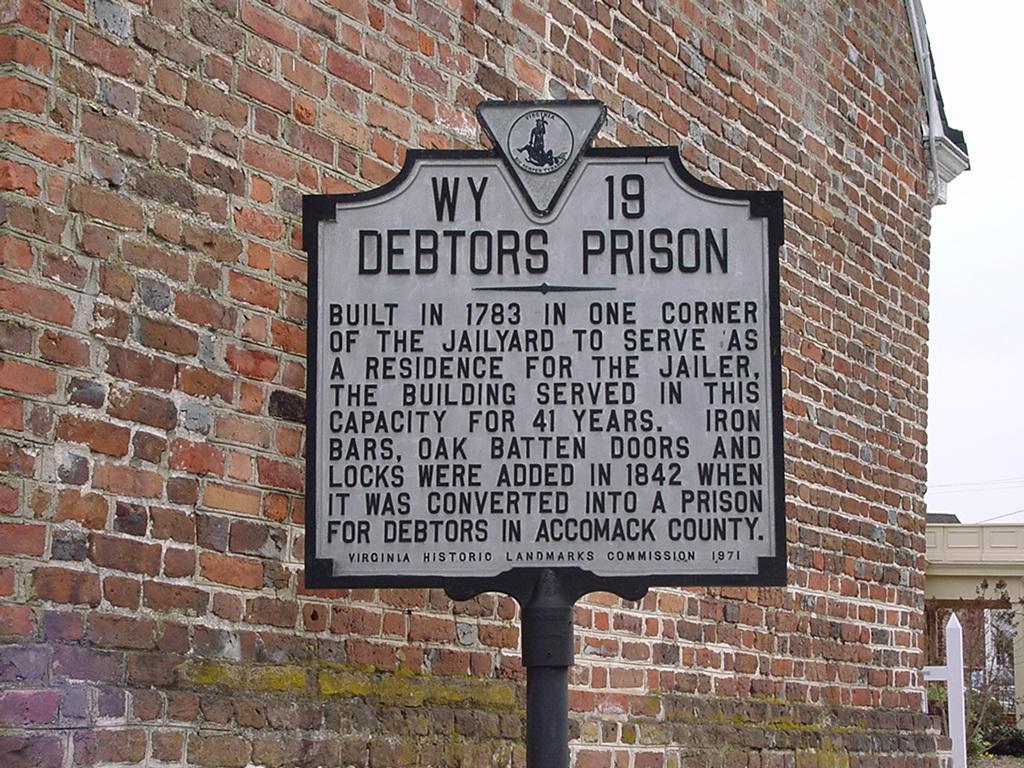
- Image thanks to www.esva.net and Elton Bennett
Print this post [11]
 [12]
[12]